
How Colors Can Transform Your Outfit
How Colors Can Transform Your Outfit
Fashion is not only about the clothes you wear—it is also about the colors you choose. The right combination of colors can completely transform an outfit, making it look more stylish, elegant, energetic, or sophisticated. Understanding how colors work together can help you create better outfits and express your personality through fashion.
The Power of Color in Fashion
Colors can influence how an outfit looks and how it is perceived. A simple outfit in neutral shades can appear elegant and sophisticated, while brighter colors can create a lively and energetic appearance. Choosing the right colors can also help highlight particular pieces of clothing and create a balanced overall look.
Understanding Warm and Cool Colors
Colors are often divided into warm and cool categories.
Warm colors such as red, orange, yellow, and coral can create a bold and energetic appearance. They are useful when you want your outfit to stand out.
Cool colors such as blue, green, and purple often create a calm and refreshing appearance. These shades can work particularly well for casual, professional, and evening outfits.
Neutral colors such as black, white, beige, grey, and brown are versatile and can be combined with almost any other color.
How to Combine Colors
Creating a stylish outfit does not necessarily mean using many different colors. In fact, keeping your color palette simple can often produce a more polished look.
For example, pairing a neutral outfit with one bright accessory can add an interesting touch without making the outfit look overwhelming. Similarly, wearing different shades of the same color can create a sophisticated monochromatic look.
Some popular combinations include:
-
Black and white: Classic and timeless
-
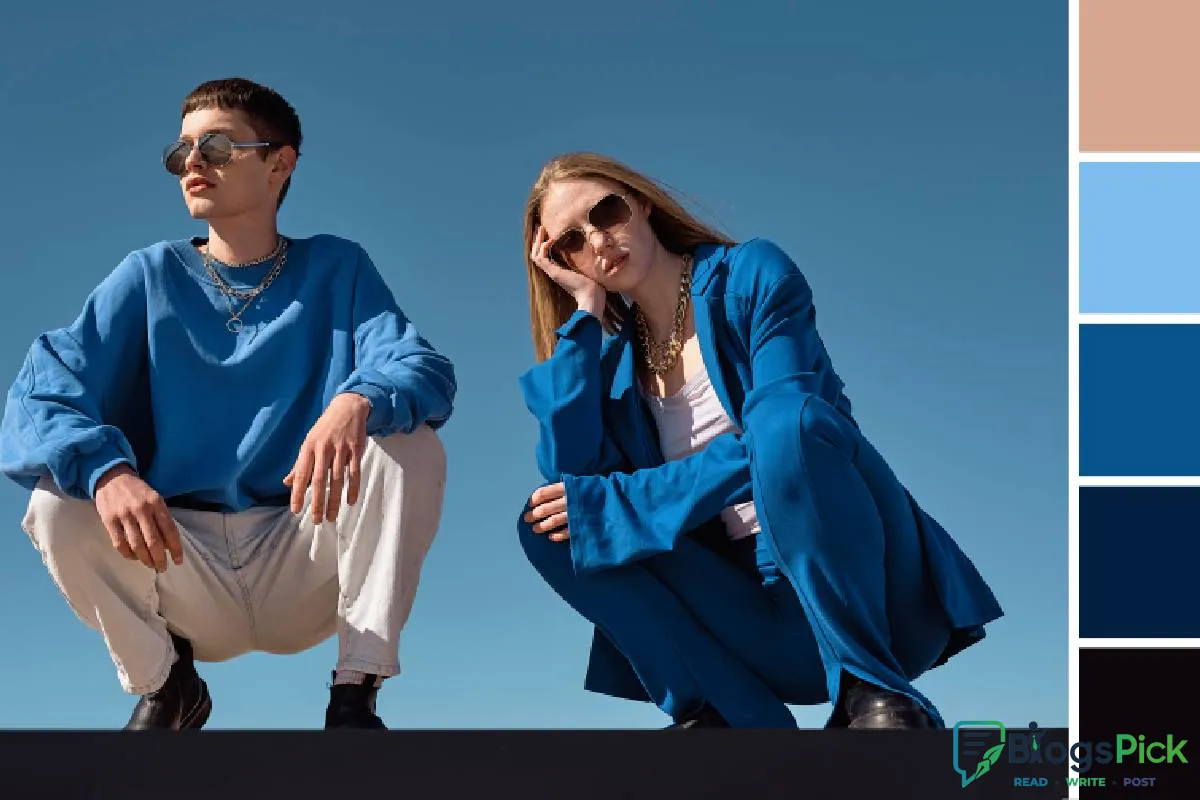
Blue and white: Fresh and versatile
-
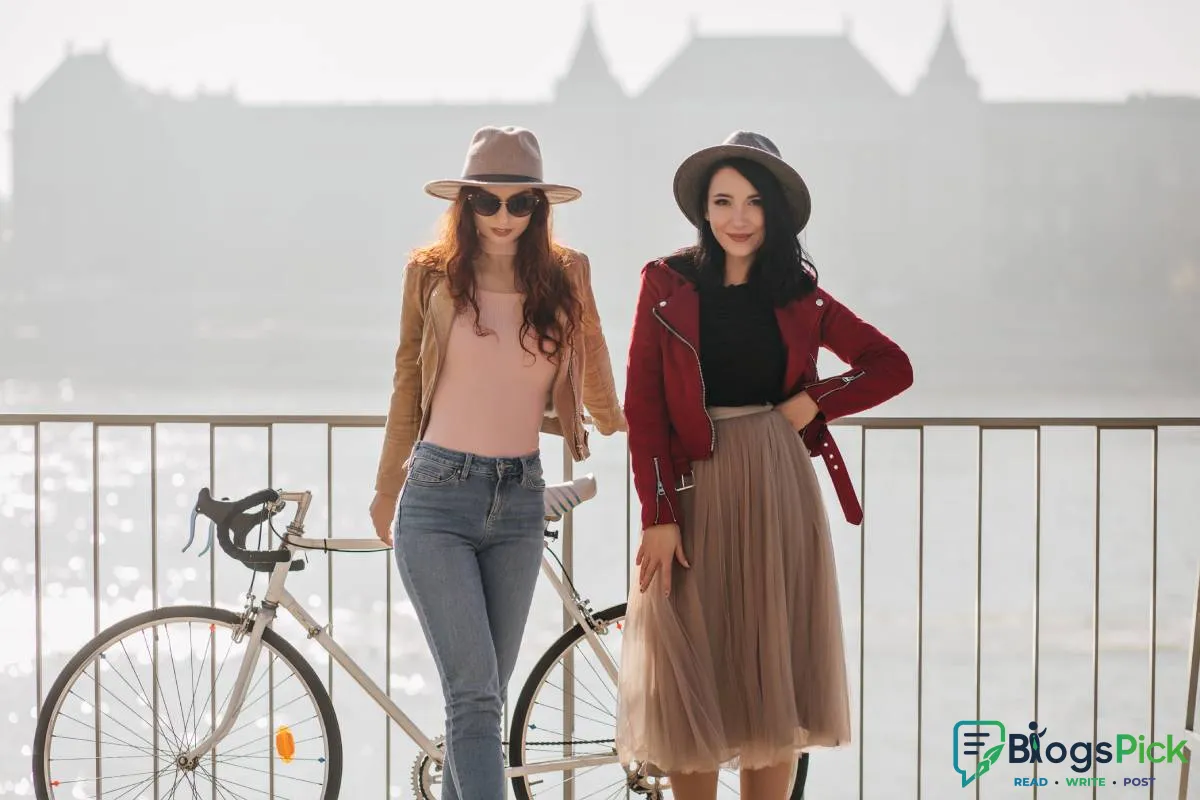
Beige and brown: Warm and elegant
-
Green and cream: Natural and sophisticated
-
Navy and grey: Professional and refined
-
Pink and white: Soft and stylish
Using Colors to Highlight Your Style
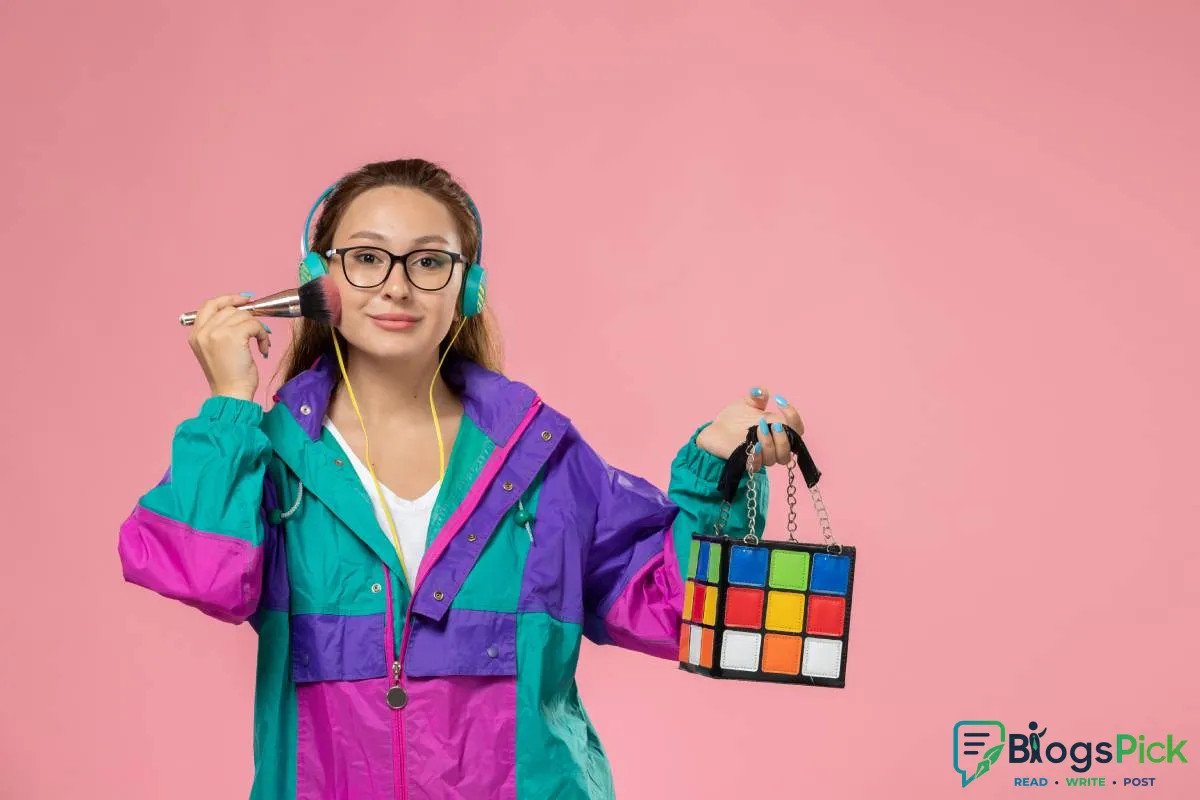
Colors can also be used to draw attention to specific parts of an outfit. A colorful jacket, handbag, pair of shoes, or scarf can become the focal point of an otherwise simple outfit.
If you prefer a minimal style, neutral colors can form the foundation of your wardrobe. You can then introduce brighter colors through accessories or individual statement pieces.
Choosing Colors for Different Occasions
The occasion can also influence your color choices. For professional settings, neutral and subtle colors such as navy, grey, black, white, and beige can create a polished appearance.
For casual occasions, you can experiment with brighter shades and playful combinations. For parties and special events, deeper or vibrant colors can help create a more striking look.
Seasonal Color Choices
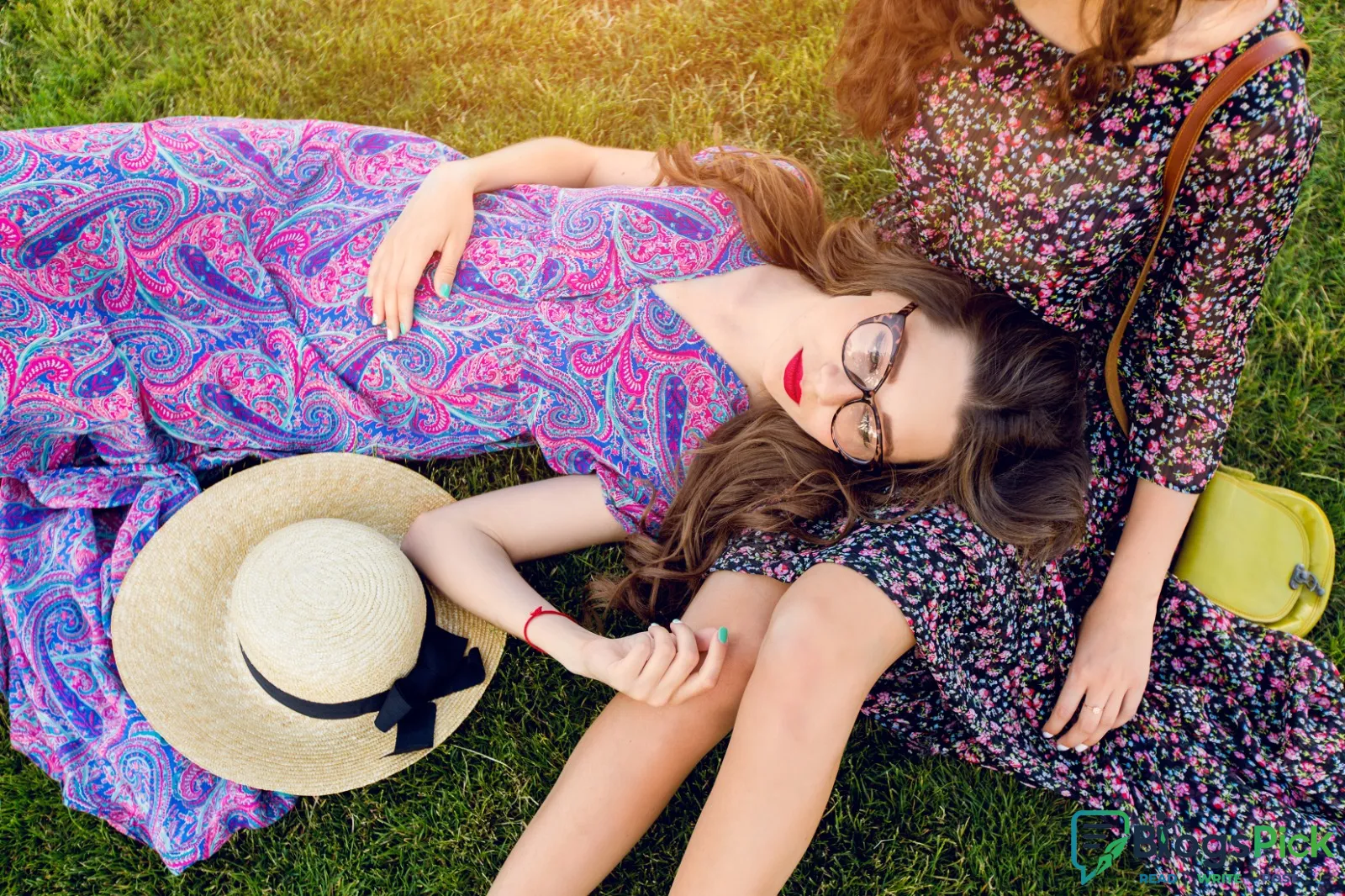
Fashion colors can also change with the seasons. Light and pastel shades are often popular during spring and summer, while earthy, deeper, and richer tones are commonly associated with autumn and winter.
However, there are no strict rules. Personal preference and comfort should always play an important role in deciding what colors you wear.
Build Confidence Through Color
The most important part of choosing colors is feeling comfortable in what you wear. Fashion is a form of self-expression, and the colors you choose can reflect your personality and mood.
Instead of following every trend, experiment with different shades and combinations to discover what works for you. A color that looks simple on its own can become completely different when paired with the right clothing and accessories.
Conclusion
Colors have the ability to transform even the simplest outfit. By understanding warm and cool colors, experimenting with combinations, and choosing shades that suit the occasion, you can create outfits that look balanced, stylish, and personal.
Whether you prefer classic neutrals, vibrant shades, or soft pastels, thoughtful use of color can make a significant difference to your overall fashion style.













Leave a Reply