
A Beginner’s Guide to Dressing for Your Body Shape
A Beginner’s Guide to Dressing for Your Body Shape
Fashion is not just about following the latest trends; it's about understanding what makes you feel comfortable, confident, and stylish. One of the easiest ways to improve your personal style is by learning how to dress according to your body shape.
Every individual has a unique body structure, and the right clothing choices can help you create balanced outfits that reflect your personality. Whether you prefer casual outfits, formal wear, or trendy fashion, understanding your body shape can make shopping and styling much easier.
In this beginner-friendly guide, we'll explore different body shapes, outfit recommendations, and practical styling tips to help you dress with confidence.
1. Understanding Different Body Shapes
Before choosing outfits, it's helpful to understand the common body shape categories. These categories are simply styling guides, not strict rules.
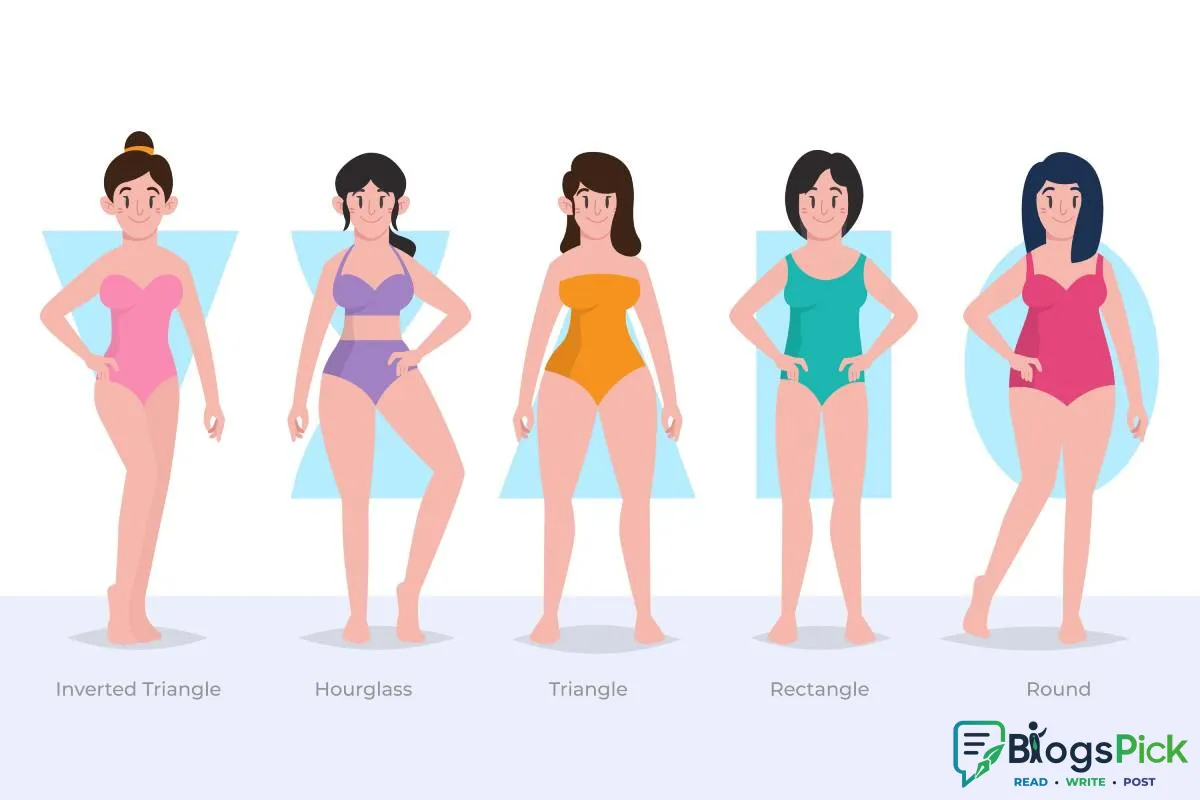
a) Hourglass Shape
An hourglass body shape generally features balanced shoulders and hips with a more defined waist.
Best Clothing Choices:
-
Wrap dresses and fitted tops.
-
High-waisted jeans and trousers.
-
Belted dresses and jackets.
-
Pencil skirts and tailored outfits.
Styling Tip: Highlighting the waist with belts or well-fitted clothing can create an elegant and balanced look.
b) Pear Shape
A pear-shaped body typically has hips that are wider than the shoulders, with a more defined upper body.
Best Clothing Choices:
-
A-line dresses and skirts.
-
Boat-neck and square-neck tops.
-
Structured jackets.
-
Straight-leg or wide-leg trousers.
Styling Tip: Experiment with interesting necklines, patterns, and details around the upper body to create a balanced outfit.
c) Apple Shape
An apple-shaped body generally carries more fullness around the midsection, with comparatively slimmer legs.
Best Clothing Choices:
-
Empire-waist dresses.
-
V-neck tops and tunics.
-
Straight-leg trousers.
-
Open-front jackets and long cardigans.
Styling Tip: Choose comfortable, well-fitted outfits that create a natural flow without restricting movement.
d) Rectangle Shape
A rectangle body shape generally has similar measurements around the shoulders, waist, and hips.
Best Clothing Choices:
-
Peplum tops.
-
Layered outfits.
-
Fit-and-flare dresses.
-
High-waisted trousers and skirts.
Styling Tip: Try layering, belts, and different silhouettes to experiment with your personal style.
e) Inverted Triangle Shape
An inverted triangle body shape usually features broader shoulders compared to the hips.
Best Clothing Choices:
-
V-neck and scoop-neck tops.
-
Wide-leg trousers.
-
A-line skirts.
-
Flared jeans and flowy dresses.
Styling Tip: Experiment with adding volume and interesting details to the lower half of your outfit.
2. Choose Clothes That Fit Properly
One of the most important fashion rules is choosing the right fit. Even an expensive outfit may not look its best if it doesn't fit comfortably.
Keep these points in mind:
-
Avoid clothes that are unnecessarily tight or oversized.
-
Choose comfortable fabrics that suit the occasion.
-
Pay attention to shoulder, waist, and trouser lengths.
-
Consider tailoring when an outfit needs small adjustments.
Remember, comfort and confidence should always come first.
3. Understand the Importance of Colours
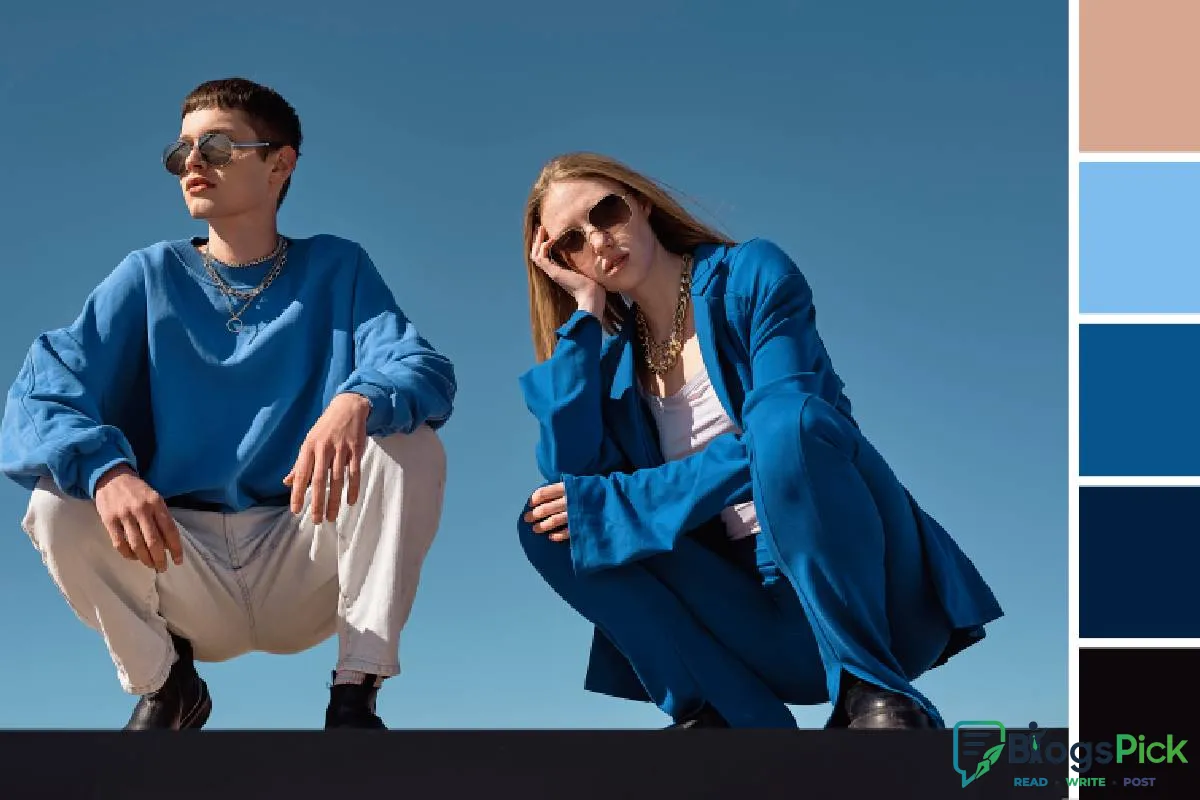
Colours can completely change the appearance of an outfit. Choosing shades that complement your personal preferences and existing wardrobe can make styling easier.
Some simple ideas include:
-
Neutral Colours: Black, white, beige, and grey are easy to mix and match.
-
Pastel Colours: Soft pink, lavender, and baby blue create a subtle and elegant appearance.
-
Bold Colours: Red, royal blue, and emerald green can make a statement.
-
Monochromatic Outfits: Wearing different shades of the same colour can create a coordinated look.
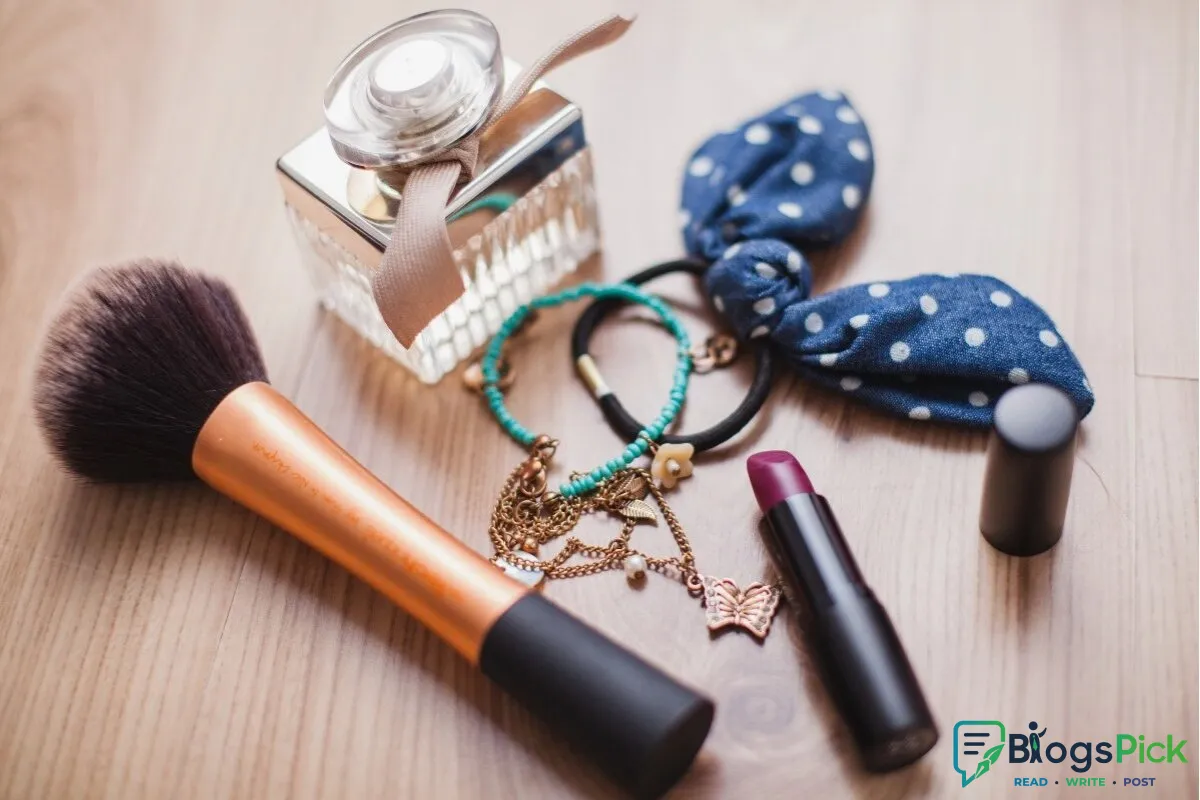
4. Choose the Right Accessories
Accessories can transform even a simple outfit into something special.
Consider adding:
-
Belts to define your waist.
-
Necklaces to complement different necklines.
-
Earrings to enhance your overall look.
-
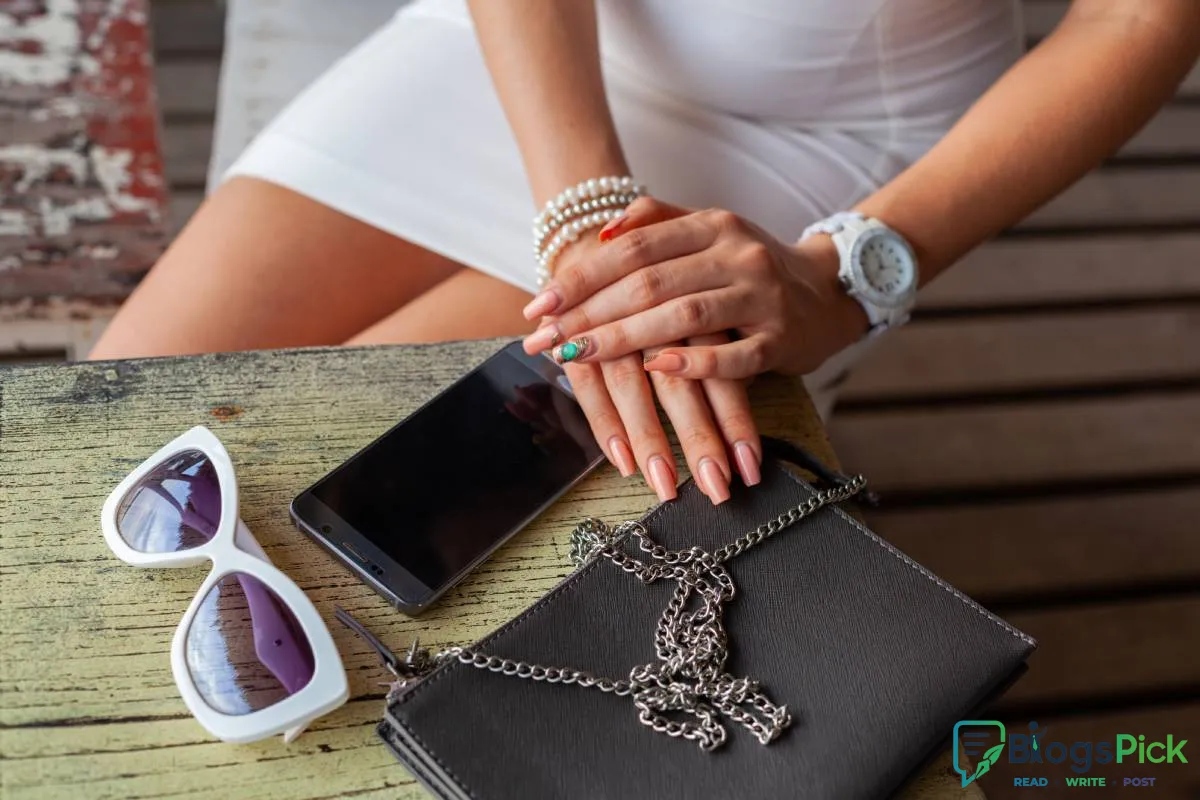
Handbags to complete your outfit.
-
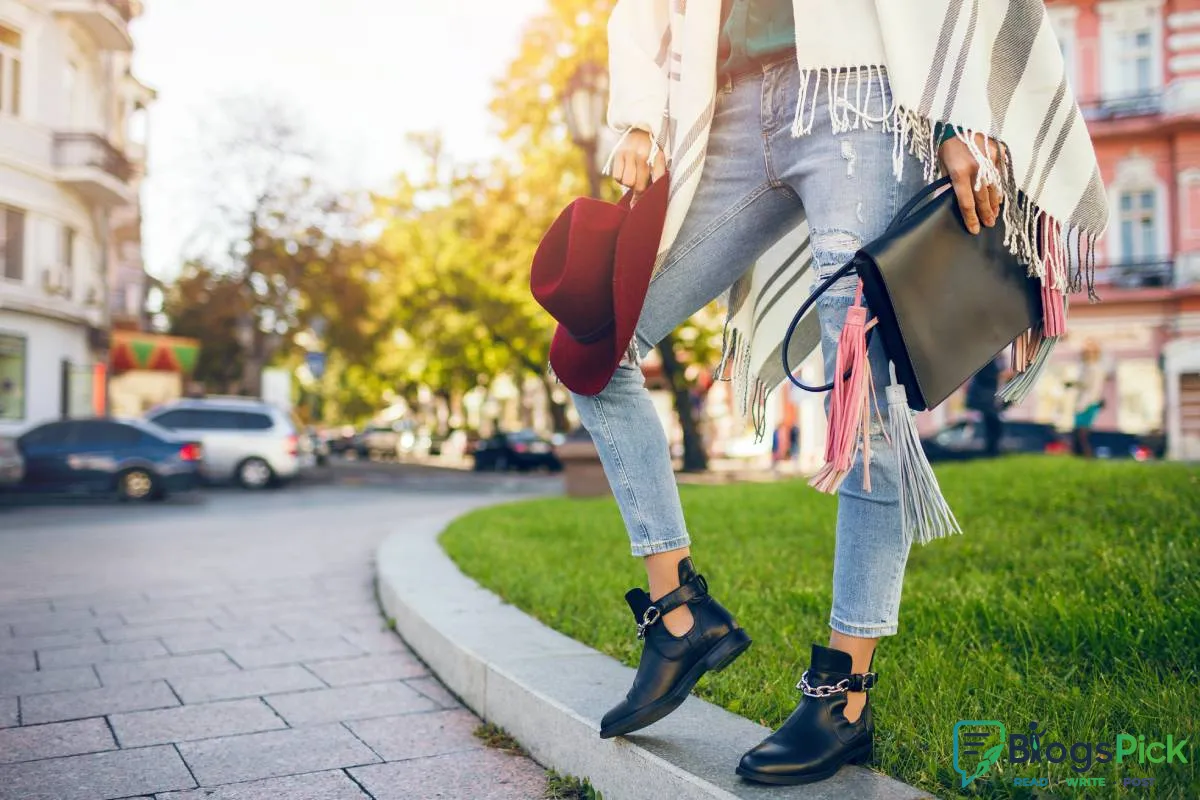
Shoes that match your clothing style and occasion.
Avoid adding too many accessories at once. A few carefully selected pieces can make a stronger impression.
5. Dress According to the Occasion
Your outfit should reflect both your personal style and the occasion.
-
Casual Wear: Comfortable jeans, T-shirts, sneakers, and relaxed dresses.
-
Office Wear: Tailored trousers, shirts, blazers, and elegant footwear.
-
Party Wear: Stylish dresses, statement accessories, and fashionable footwear.
-
Traditional Wear: Sarees, kurtis, salwar suits, and other ethnic outfits.
Choosing the right outfit for the occasion helps you feel comfortable and confident.
6. Common Fashion Mistakes to Avoid
If you're new to styling, try to avoid these common mistakes:
-
Following every fashion trend without considering your comfort.
-
Wearing clothes that don't fit properly.
-
Ignoring the importance of fabric and quality.
-
Choosing accessories that overpower your outfit.
-
Comparing your body with unrealistic fashion standards.
Fashion should be enjoyable, not stressful. There is no single correct way to dress.
7. Build a Wardrobe That Reflects Your Personality
Instead of buying every trending item, focus on building a versatile wardrobe.
Start with essential pieces such as:
-
A well-fitted pair of jeans.
-
Basic T-shirts and tops.
-
A versatile blazer.
-
Comfortable everyday footwear.
-
A classic dress.
-
Neutral-coloured trousers.
-
A few accessories for different occasions.
These essentials can be combined in multiple ways, helping you create stylish outfits without spending unnecessarily.
Conclusion
Dressing according to your body shape is about understanding different clothing styles and discovering what makes you feel your best. From choosing the right silhouettes to experimenting with colours and accessories, small styling decisions can make a big difference.
However, remember that body shape categories are only helpful starting points. You don't need to follow strict fashion rules to look good.
The best outfit is the one that makes you feel comfortable, confident, and truly yourself.






Leave a Reply