
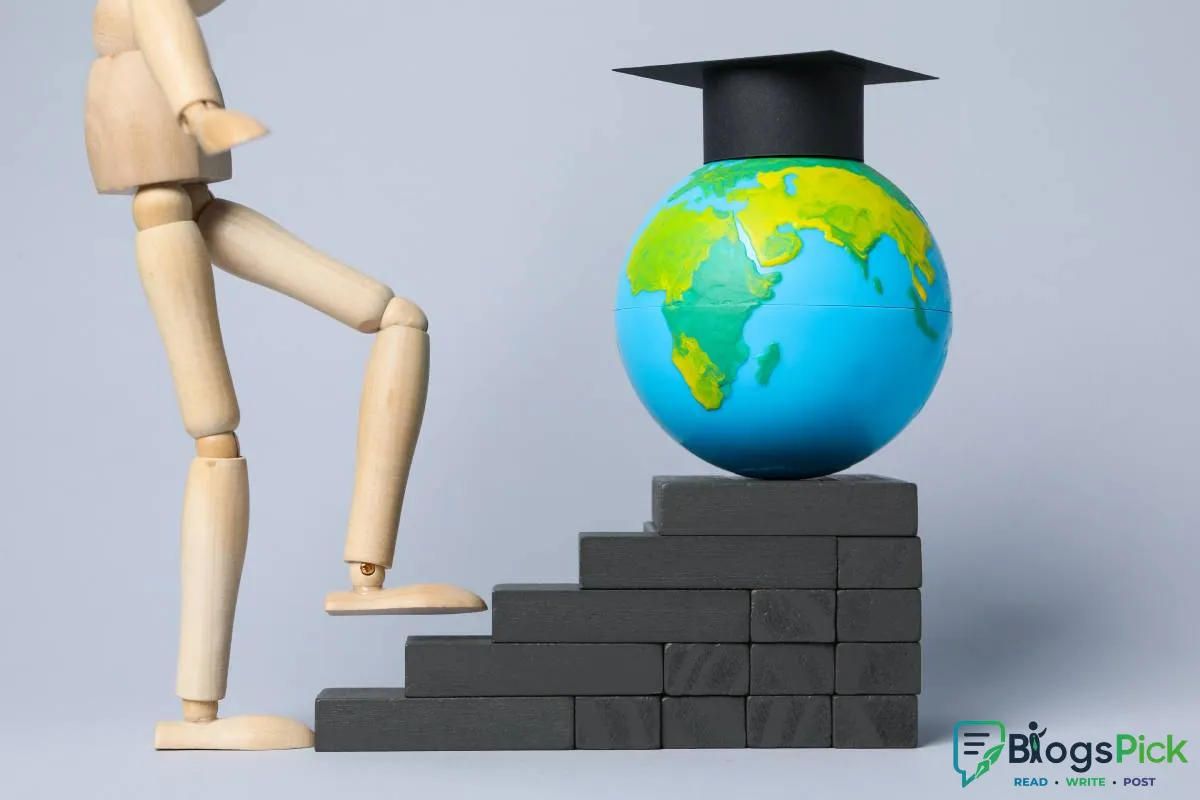
How Education Shapes a Successful Future
How Education Shapes a Successful Future
Education is one of the most powerful tools for building a successful and meaningful future. It does more than provide academic knowledge—it develops skills, confidence, creativity, and the ability to make informed decisions. In a rapidly changing world, quality education helps individuals prepare for new opportunities and overcome challenges.
Education Builds Knowledge and Skills
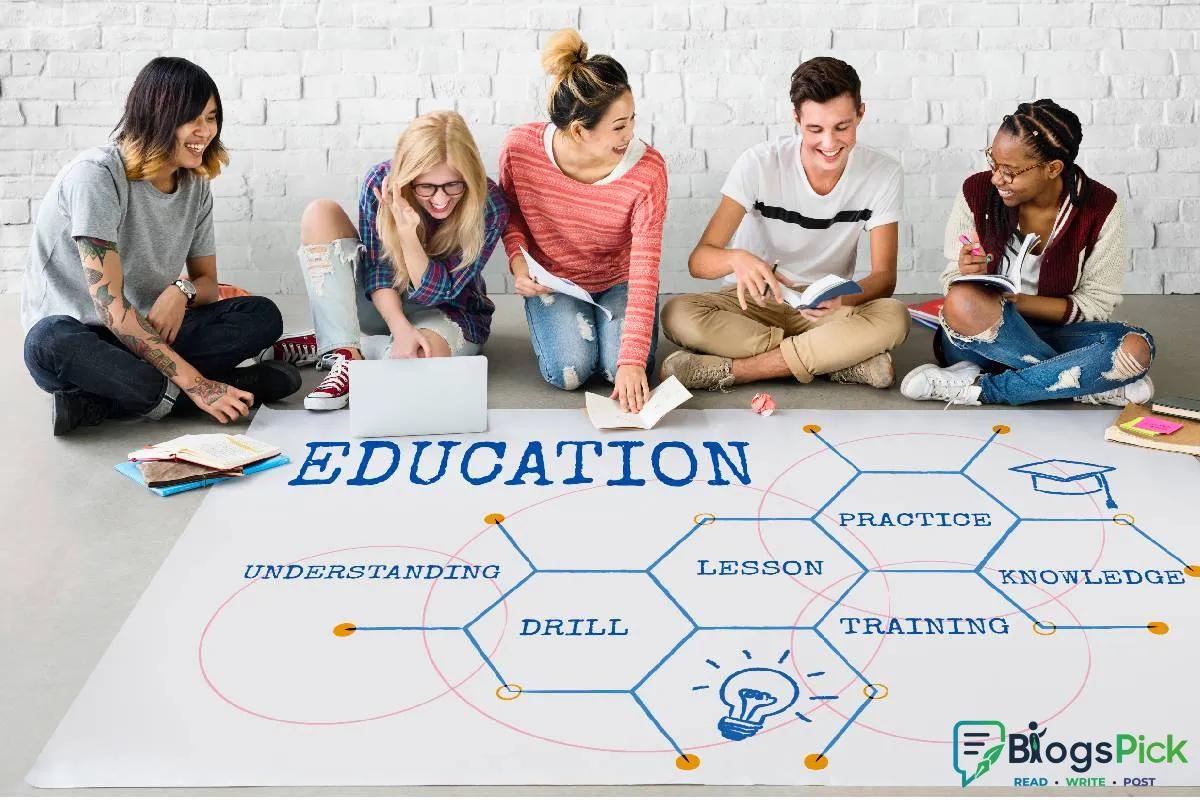
The primary purpose of education is to help people gain knowledge and develop useful skills. From basic academic concepts to professional training, education provides a strong foundation for personal and career growth.
Students who combine theoretical knowledge with practical skills are better prepared to understand real-world problems and find effective solutions.
Education Opens Career Opportunities
A good education can create better career opportunities. Employers increasingly look for candidates who have both educational qualifications and practical skills.
Professional courses, technical training, internships, and industry-oriented programs can help students understand workplace requirements and become more job-ready.
Education Develops Confidence
Learning new concepts and overcoming challenges can significantly improve confidence. Education encourages students to ask questions, communicate their ideas, work with others, and take responsibility for their decisions.
Confidence is an important quality not only for academic success but also for interviews, professional life, and everyday situations.
Education Encourages Critical Thinking
The modern workplace requires people who can analyze information, think creatively, and solve problems. Education helps develop critical-thinking abilities by encouraging students to understand different perspectives and make logical decisions.
These skills can be valuable in almost every career field.
Technology and the Future of Education
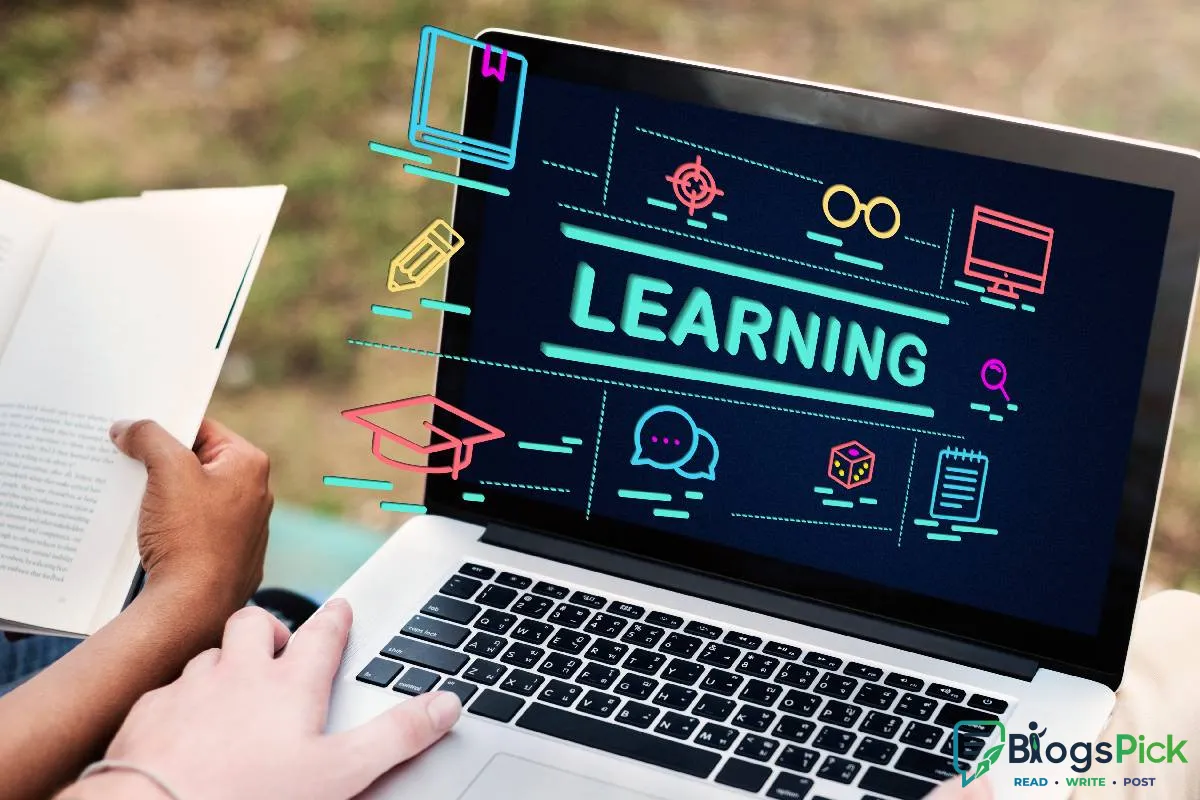
Technology has transformed the way people learn. Online classes, digital resources, educational applications, virtual training, and interactive learning platforms have made education more flexible and accessible.
Students can now learn new skills from almost anywhere and continue their education alongside work or other responsibilities.
Continuous Learning Leads to Long-Term Growth
Education should not stop after completing school or college. Industries continue to evolve, and new technologies create new job roles and opportunities.
Continuous learning helps professionals update their knowledge, improve their skills, and remain competitive in the job market.
Conclusion
Education plays a vital role in shaping a successful future. It provides knowledge, develops practical skills, builds confidence, improves problem-solving abilities, and opens doors to career opportunities.
The most valuable education is not simply about earning a qualification—it is about developing the knowledge and skills needed to succeed in the real world. By investing in learning today, individuals can build a stronger, more confident, and successful future tomorrow.

Prev Post










Leave a Reply