
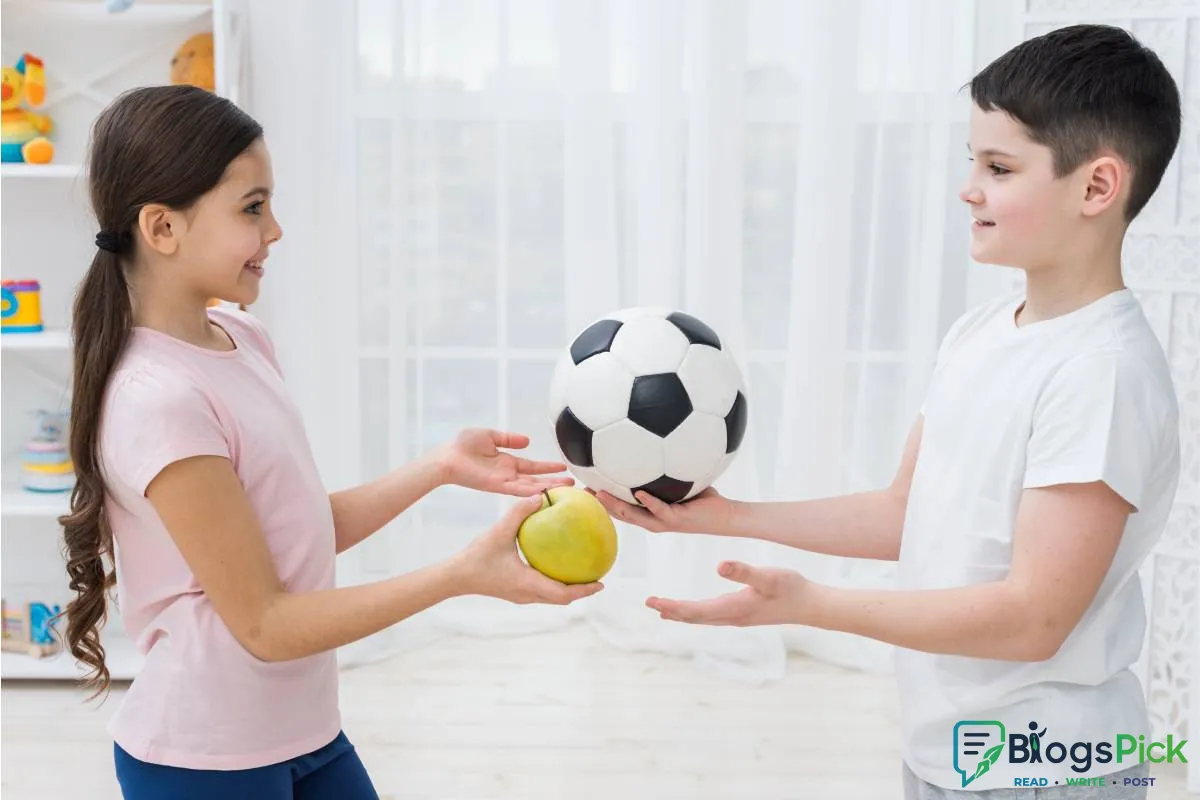
Why Sports Are Essential for Children’s Development
Why Sports Are Essential for Children’s Development
Sports play an important role in a child’s overall development. They are not only a source of physical activity and entertainment but also help children develop important life skills. Regular participation in sports can support physical fitness, emotional well-being, social skills, confidence, and discipline.
1. Improves Physical Fitness
One of the most obvious benefits of sports is improved physical health. Activities such as running, swimming, football, basketball, and cycling help children build stronger muscles and bones while improving stamina, flexibility, coordination, and balance.
Regular physical activity can also encourage children to develop healthy habits that can continue into adulthood.
2. Builds Confidence and Self-Esteem
Sports give children opportunities to learn, practice, and improve their abilities. Successfully learning a new skill or achieving a personal goal can give children a sense of accomplishment.
Even when they lose a match or make mistakes, they learn that improvement comes through practice and patience. This experience can help build confidence and a positive attitude toward challenges.
3. Develops Teamwork and Communication
Team sports teach children how to work with others toward a common goal. They learn to communicate, share responsibilities, listen to teammates, and respect different opinions.
These teamwork skills can be useful not only on the playing field but also at school, in friendships, and later in professional life.
4. Teaches Discipline and Responsibility
Sports require regular practice, punctuality, preparation, and commitment. Children learn that achieving their goals often requires consistent effort.
Following rules and respecting coaches, teammates, opponents, and referees also helps children understand the importance of discipline and responsibility.
5. Supports Mental and Emotional Well-Being
Physical activity can contribute to better mood and emotional well-being. Playing sports gives children an opportunity to stay active, have fun, and spend time away from screens and other daily pressures.
Sports can also teach children how to handle both success and disappointment in a healthy way.
6. Encourages Leadership Skills
Sports can provide children with opportunities to take responsibility and lead others. Being a team captain, helping a teammate, or making decisions during a game can gradually develop leadership abilities.
Children learn that good leadership involves communication, cooperation, responsibility, and respect for others.
7. Helps Develop Social Skills
Sports provide children with opportunities to meet and interact with people from different backgrounds. They learn how to make friends, cooperate with others, resolve disagreements, and follow shared rules.
These experiences can help children become more comfortable in social situations.
8. Teaches the Value of Persistence
Not every game will result in a victory, and not every skill will be learned immediately. Sports teach children that setbacks are a normal part of learning.
By practicing after a disappointing result and continuing to work toward improvement, children can develop persistence and a growth-oriented mindset.
9. Encourages Healthy Habits
Children who regularly participate in sports may become more aware of the importance of physical activity, proper rest, hydration, and balanced nutrition.
Developing healthy habits at an early age can help create a strong foundation for an active lifestyle later in life.
10. Supports Overall Personal Development
The benefits of sports go beyond physical fitness. Through regular participation, children can develop confidence, discipline, communication, teamwork, responsibility, and resilience.
Parents and educators can support children by encouraging participation without putting excessive pressure on winning. The main goal should be to help children enjoy physical activity, learn new skills, and develop in a positive environment.
Conclusion
Sports are an important part of children’s development because they combine physical activity with valuable life lessons. From improving fitness and confidence to teaching teamwork, discipline, and persistence, sports can contribute to many areas of a child’s growth.
Whether a child participates in football, cricket, badminton, swimming, athletics, or another activity, the experience can provide valuable skills that extend far beyond the sports field. Encouraging children to stay active and enjoy sports can help them build healthier habits and become more confident and responsible individuals.














Leave a Reply