
Why Fruits and Vegetables Are Essential for Good Health
Why Fruits and Vegetables Are Essential for Good Health
Fruits and vegetables are an important part of a balanced diet. They provide a wide variety of vitamins, minerals, fiber, and other nutrients that support the body's everyday functions. Including different types of fruits and vegetables in regular meals can be a simple way to improve overall nutrition.
Rich in Essential Nutrients
Fruits and vegetables contain many essential nutrients, including vitamins A, C, and K, folate, potassium, and magnesium. These nutrients support important functions such as normal immune function, energy metabolism, and maintenance of bones and tissues.
Different foods provide different nutrients, which is why eating a variety of colorful fruits and vegetables is beneficial.
A Good Source of Dietary Fiber
Many fruits and vegetables are naturally rich in dietary fiber. Fiber supports healthy digestion and can help you feel full after meals. Foods such as apples, pears, carrots, peas, beans, and leafy vegetables can contribute to daily fiber intake.
Supports a Healthy Lifestyle
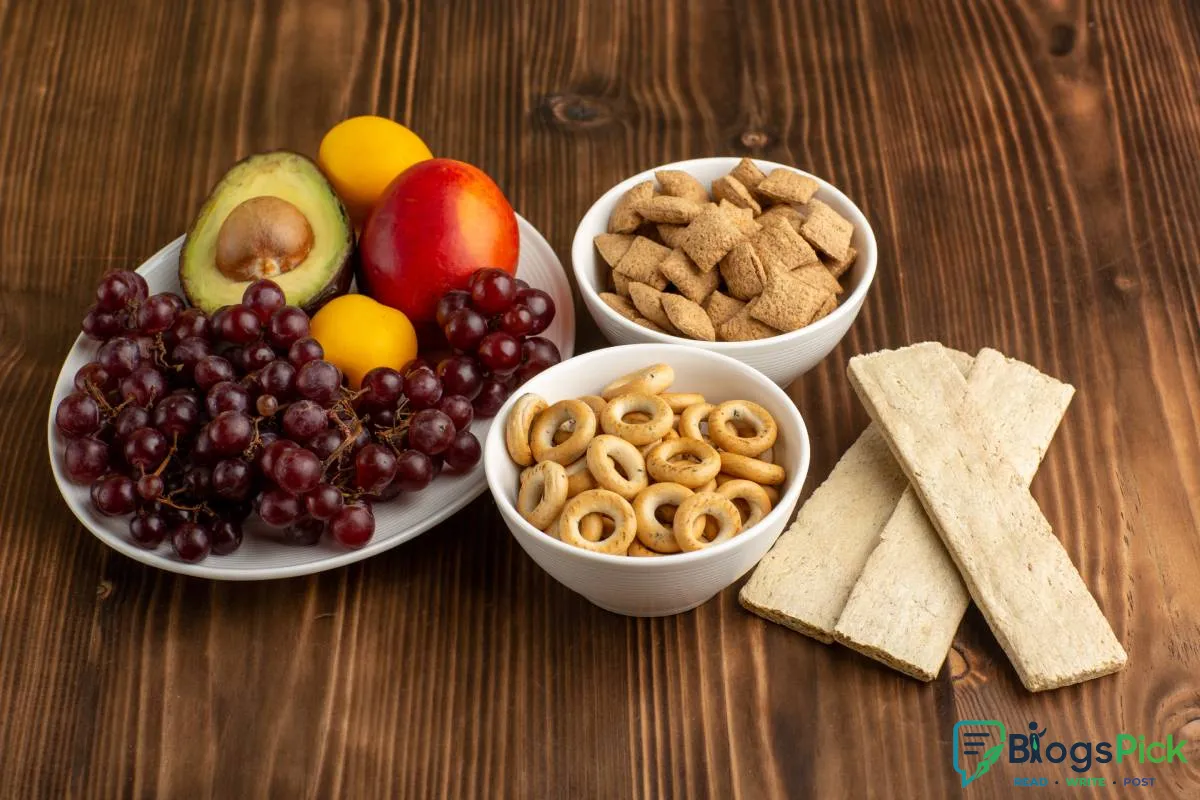
Making fruits and vegetables a regular part of meals can help create a nutritious eating pattern. They can also be useful alternatives to highly processed foods when planning snacks and meals.
For example, fresh fruit can be a convenient snack, while vegetables can be added to salads, soups, sandwiches, curries, and other dishes.
Provides Antioxidants and Plant Compounds
Fruits and vegetables contain naturally occurring plant compounds, including antioxidants. These compounds help protect cells from oxidative stress and contribute to overall health.
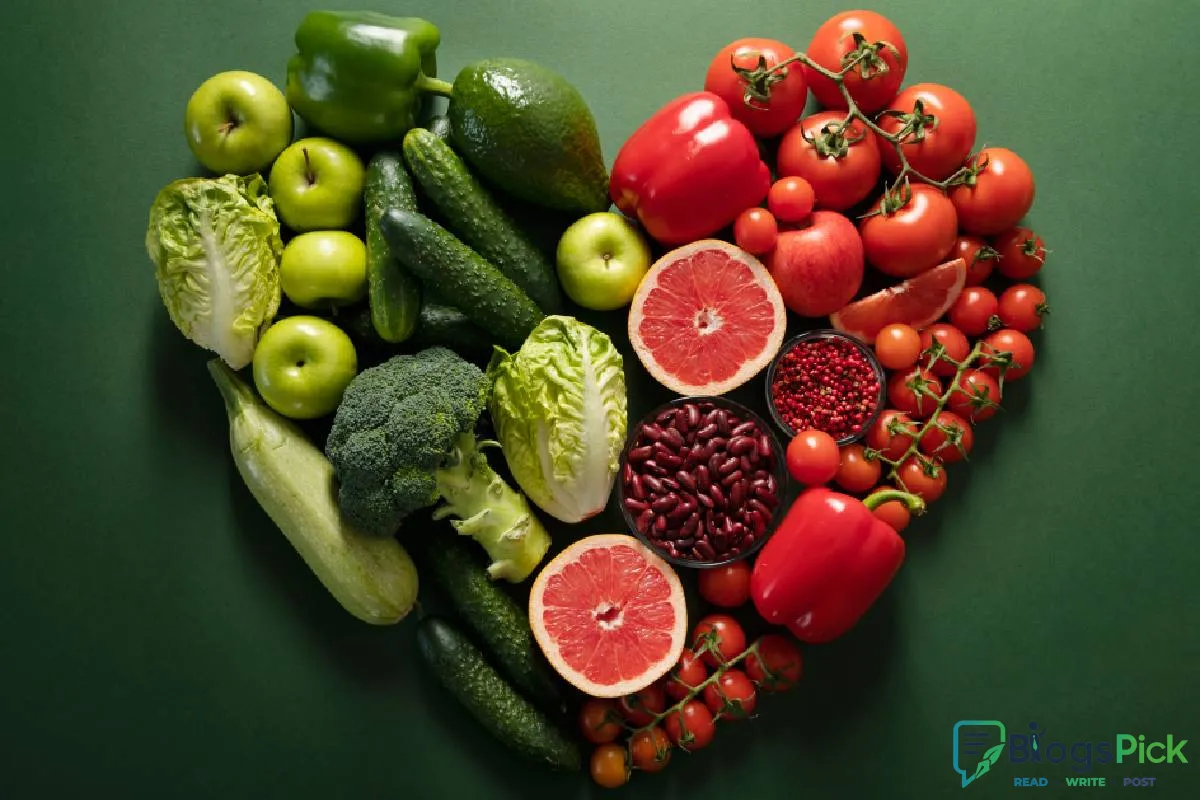
Different colors often indicate different plant compounds, so eating a variety of colors can help provide a broader range of nutrients.
Easy Ways to Eat More Fruits and Vegetables
Adding more fruits and vegetables to your diet does not have to be complicated. You can:
- Add fruit to breakfast or snacks.
- Include vegetables in lunch and dinner.
- Choose seasonal produce when available.
- Keep washed fruits easily accessible.
- Add leafy vegetables to meals.
- Try different colors and varieties.
- Include vegetables in soups, salads, and sandwiches.
Fresh, Frozen, and Other Options
Fresh produce is a great choice, but frozen, canned, or dried fruits and vegetables can also be convenient options. When choosing packaged products, checking labels for added sugar, excess sodium, or other unnecessary ingredients can help you make informed choices.
Conclusion
Fruits and vegetables provide important nutrients and fiber that can support a healthy, balanced diet. Eating a variety of produce regularly is a practical way to improve the nutritional quality of everyday meals.
A simple goal is to add more variety and color to your plate and make fruits and vegetables a regular part of your daily eating habits.













Leave a Reply