
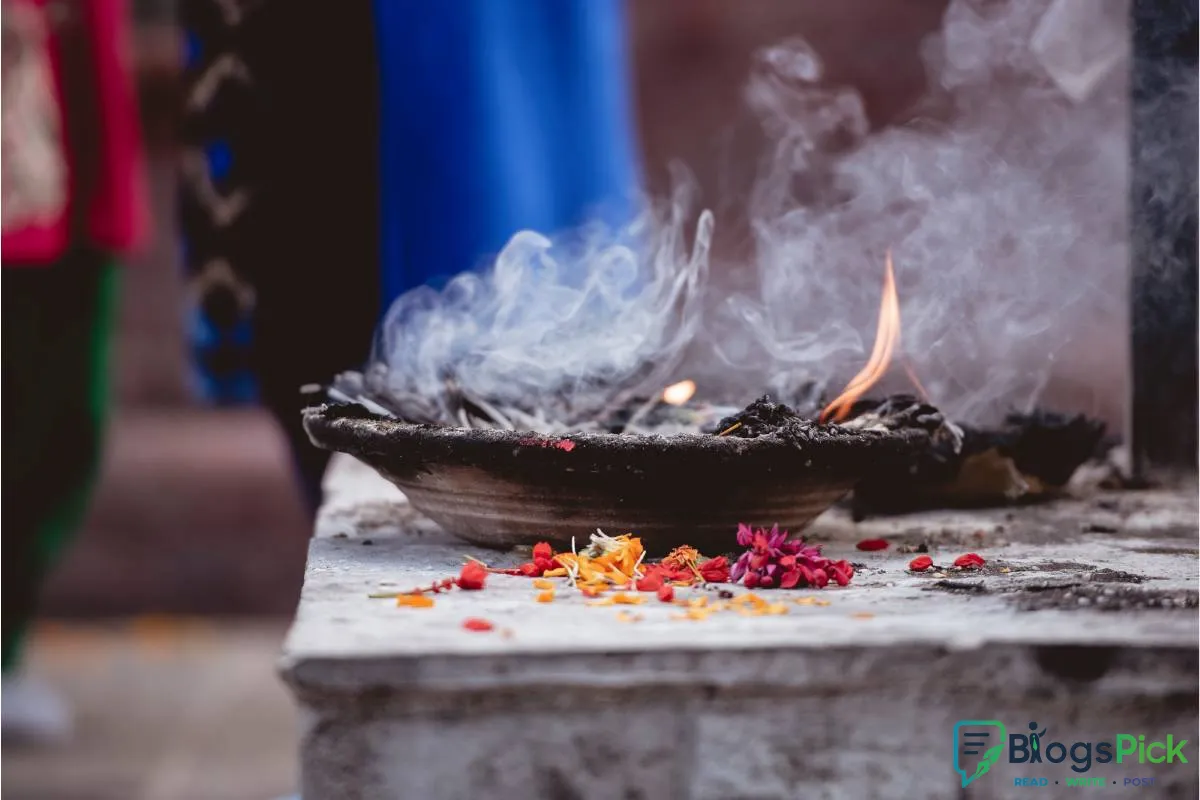
How Religious Celebrations Preserve Cultural Heritage
How Religious Celebrations Preserve Cultural Heritage
Religious celebrations are an important part of human culture and tradition. Across the world, people celebrate different religious festivals that reflect their beliefs, values, customs, and history. These celebrations are more than occasions for prayer and worship; they also help preserve cultural heritage and pass traditional practices from one generation to the next. Festivals such as Diwali, Holi, Eid, Christmas, Gurpurab, and Buddha Purnima bring people together and strengthen their connection with their cultural roots.
The Connection Between Religion and Cultural Heritage
Religion and cultural heritage are closely connected. Many traditions, rituals, songs, dances, and forms of art have developed around religious beliefs over hundreds or even thousands of years. Religious celebrations provide opportunities for communities to practise and protect these traditions.
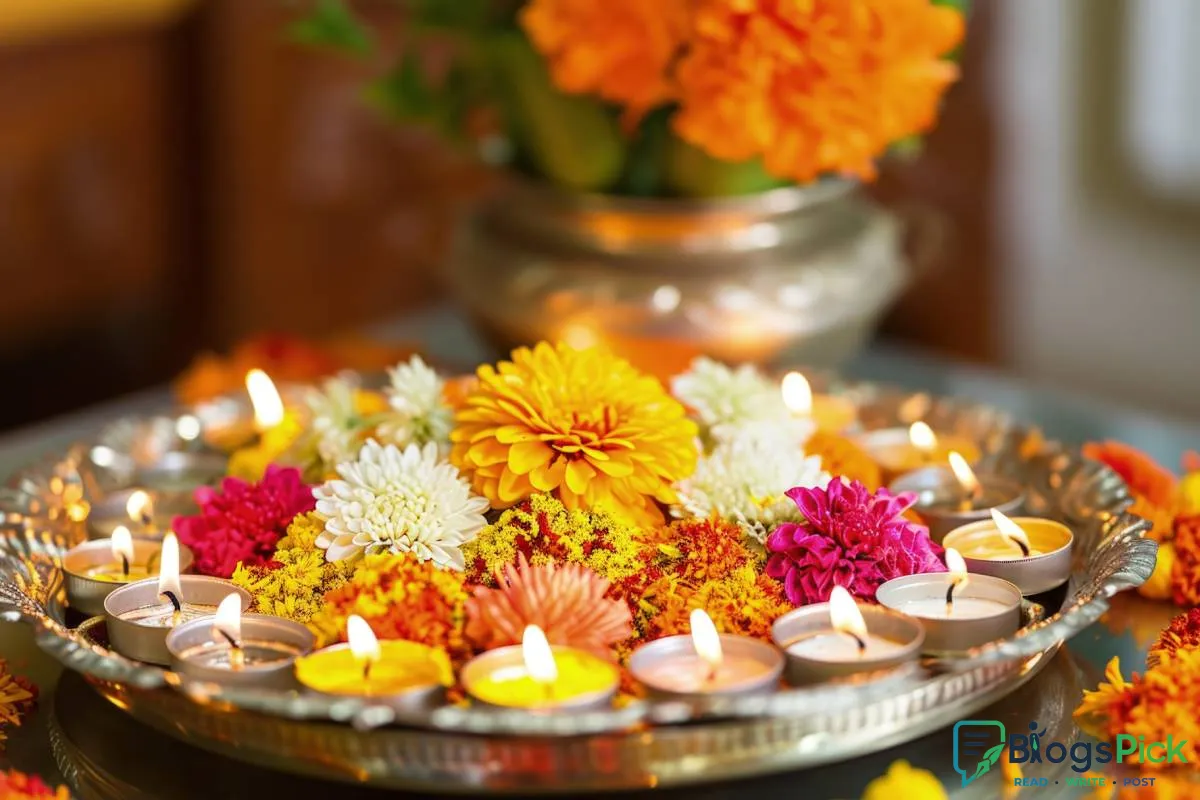
For example, during Diwali, people decorate their homes with diyas and rangoli, exchange sweets, and participate in family gatherings. Similarly, Christmas celebrations often include decorating Christmas trees, singing carols, and sharing gifts. These customs help people understand their history and maintain a connection with their ancestors.
Passing Traditions from One Generation to Another
One of the most important roles of religious celebrations is teaching younger generations about their cultural heritage. Children learn traditional prayers, stories, customs, and the significance of festivals by participating in celebrations with their families and communities.
Elders often explain the history and meaning behind religious rituals, helping young people understand why these traditions matter. Through this process, cultural knowledge is preserved and passed down, even as society changes.
Preserving Traditional Art, Music, and Food
Religious festivals also help protect traditional art forms, music, clothing, and cuisine. Many celebrations feature folk dances, devotional songs, handmade decorations, and traditional dishes that reflect the identity of a particular community.
In India, festivals often showcase regional diversity through distinctive clothing, local foods, decorations, and cultural performances. During Durga Puja, for example, artistic pandals and traditional crafts become important expressions of cultural identity. Eid celebrations feature special dishes and community gatherings, while Gurpurab includes devotional singing and langar, the community kitchen tradition associated with Sikhism.
By continuing these practices, communities support local artisans, musicians, cooks, and craftspeople while keeping cultural traditions alive.
Strengthening Community Bonds
Religious celebrations encourage people to come together, share experiences, and support one another. Family gatherings, community meals, processions, charitable activities, and public celebrations create a sense of belonging.
These occasions can also encourage understanding among people from different backgrounds. When communities respectfully participate in one another's cultural celebrations, they gain opportunities to learn about different beliefs and traditions. This helps promote mutual respect, social harmony, and unity in diversity.
Supporting Cultural Tourism and Local Economies
Many religious celebrations attract visitors from different parts of a country and the world. Pilgrimage sites, historic temples, mosques, churches, monasteries, and festival locations often become important cultural destinations.
Visitors can learn about local history, architecture, handicrafts, traditional food, and community customs. Festival-related tourism can also provide income for small businesses, transport providers, local vendors, and artisans. Responsible tourism helps preserve cultural sites while supporting the communities that maintain them.
Preserving Heritage in the Modern World
Modern lifestyles, urbanisation, and changing social habits can sometimes cause traditional practices to fade. Religious celebrations offer an opportunity to keep these customs relevant. Families and communities can use social media, digital archives, photographs, and online events to share the history and meaning of their traditions with younger audiences.
However, preserving cultural heritage does not mean that every tradition must remain unchanged. Communities can adapt celebrations to modern circumstances while protecting their essential values, historical significance, and cultural identity. Environmentally responsible practices, such as reducing plastic decorations and avoiding unnecessary waste, can also make celebrations more sustainable.
Respecting Religious and Cultural Diversity
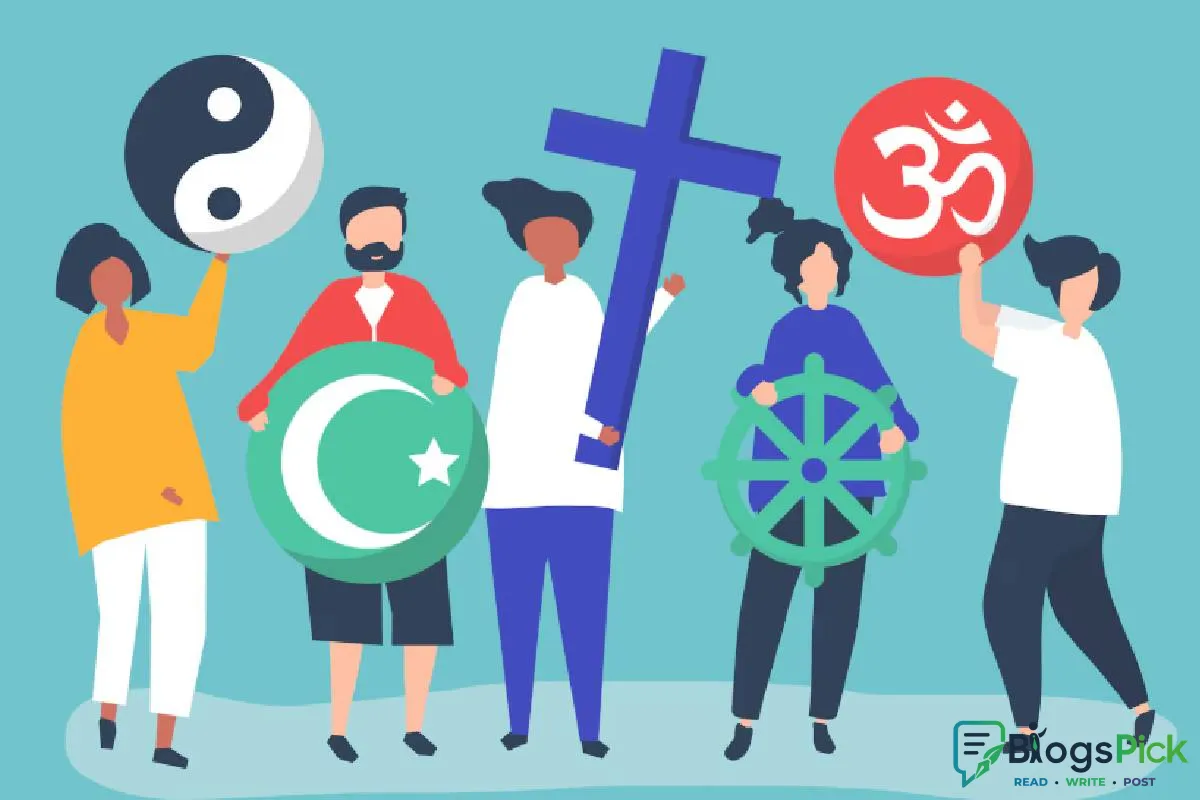
Every religion has its own beliefs, customs, and celebrations. Understanding these differences is essential for preserving cultural heritage in an inclusive society. Respecting different traditions allows people to appreciate the richness of human history without feeling pressured to follow beliefs that are not their own.
Schools, cultural organisations, families, and local communities can help by organising educational programmes, exhibitions, cultural events, and discussions about the significance of religious festivals.
Conclusion
Religious celebrations play a valuable role in preserving cultural heritage by protecting traditions, passing knowledge between generations, supporting traditional art and cuisine, and strengthening community relationships. They connect people with their history while creating opportunities to build a more respectful and inclusive society.
As the world continues to change, preserving the cultural significance of religious celebrations becomes increasingly important. By participating thoughtfully, teaching younger generations, and respecting the traditions of others, we can ensure that these meaningful celebrations continue to inspire people and preserve our shared cultural heritage for the future.













Leave a Reply