
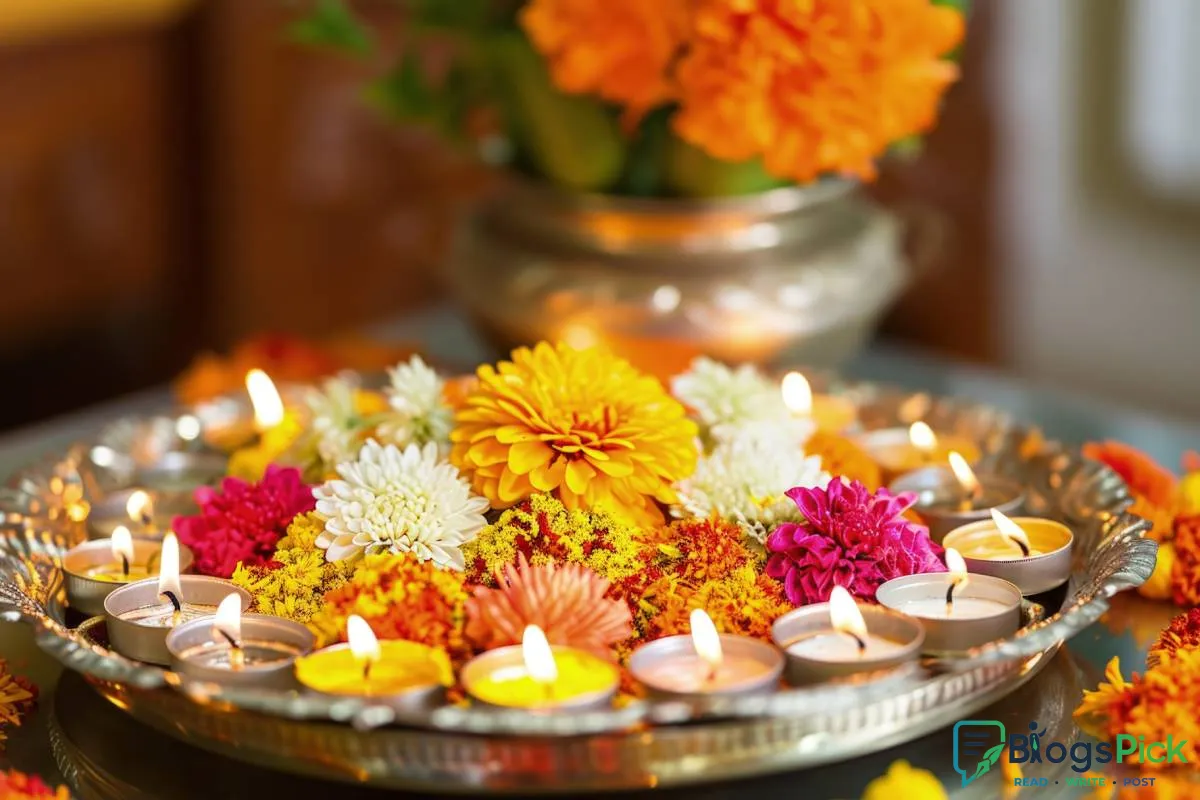
Religious Festivals: Celebrating Faith, Culture, and Togetherness
Religious Festivals: Celebrating Faith, Culture, and Togetherness
Religious festivals are an important part of communities around the world. They are more than special days marked on a calendar—they are occasions that bring people together through faith, traditions, family, and shared cultural values. Whether celebrated with prayers, gatherings, food, music, or acts of kindness, religious festivals create meaningful memories and strengthen relationships.
The Importance of Religious Festivals
Religious festivals give people an opportunity to connect with their spiritual beliefs and traditions. Many festivals commemorate important religious events, historical moments, or teachings. They encourage people to reflect on values such as kindness, forgiveness, gratitude, compassion, and hope.
For many families, these celebrations are also a way to pass traditions from one generation to the next. Children learn about their cultural and religious heritage by participating in rituals, preparing traditional foods, visiting places of worship, and spending time with elders.
Bringing Families and Communities Together
One of the most beautiful aspects of religious festivals is their ability to bring people together. Family members who may be busy throughout the year often make time to celebrate together. Homes are decorated, traditional meals are prepared, and people exchange greetings and good wishes.
Festivals can also strengthen community relationships. People come together for religious ceremonies, community meals, charitable activities, and cultural programs. These shared experiences create a sense of belonging and unity.
Celebrating Culture and Tradition
Religion and culture are often closely connected. Religious festivals provide an opportunity to showcase traditional clothing, music, art, food, customs, and ceremonies. These traditions make celebrations unique and help preserve cultural heritage.
From colorful decorations to traditional recipes passed down through generations, every festival has its own identity. Learning about these traditions can also help people appreciate the diversity of cultures around them.
Spreading Kindness and Generosity
Many religious festivals emphasize helping others and showing compassion. People may donate food, clothes, money, or other necessities to those in need. Some communities organize meals and charitable events so that everyone can participate in the celebration.
These acts of generosity remind us that the true spirit of a festival is not only about celebration but also about caring for others.
Respecting Different Religious Celebrations
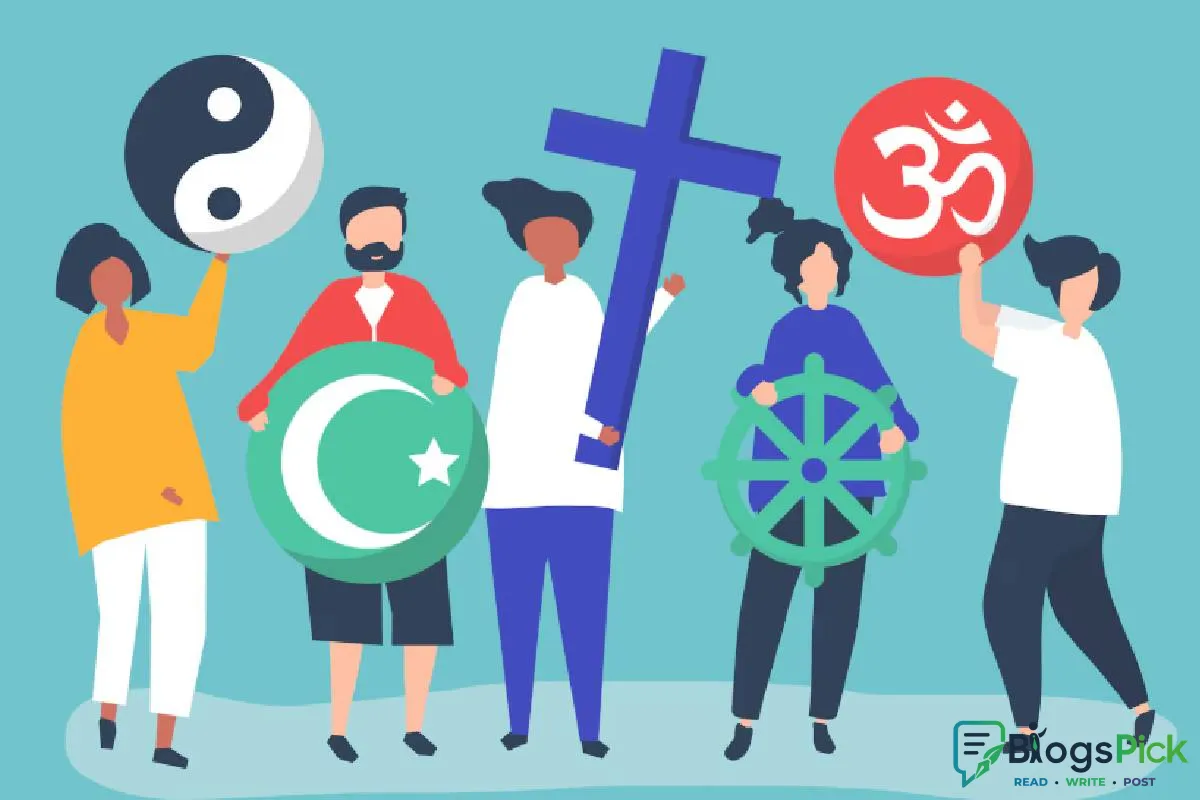
The world is home to many religions, beliefs, and traditions. Each community has its own festivals and ways of celebrating. Respecting these differences helps create understanding and harmony.
Learning about another community's festival does not require changing one's own beliefs. Instead, it can provide an opportunity to appreciate different traditions and recognize the common human values shared by many religions.
The Modern Meaning of Religious Festivals
Even in today's fast-paced world, religious festivals remain relevant. Technology and changing lifestyles may influence how people celebrate, but the fundamental values of family, faith, gratitude, kindness, and togetherness continue to be important.
Social media and digital communication have also made it easier for people living far away to share greetings, photos, and celebrations with loved ones.
Conclusion
Religious festivals are celebrations of much more than faith. They represent culture, family, tradition, kindness, and community. They give people a chance to reconnect with their beliefs, spend meaningful time with loved ones, preserve cultural traditions, and extend generosity to others.
Ultimately, the greatest message of many religious festivals is one of peace, love, compassion, and togetherness. By celebrating our own traditions while respecting those of others, we can help build a more understanding and connected society.
















Leave a Reply