
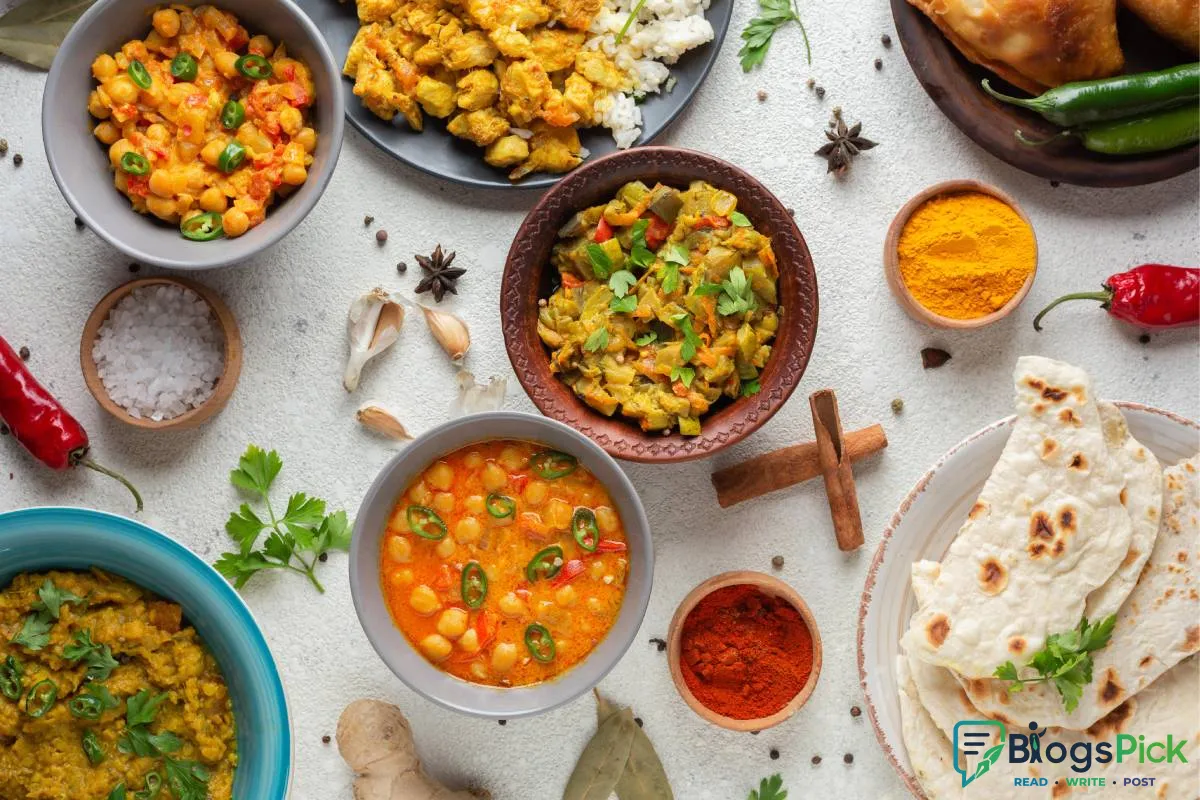
Traditional Indian Foods That Bring Taste and Health Together
Traditional Indian Foods That Bring Taste and Health Together
India is famous for its rich food culture, diverse flavours, and traditional cooking methods. From spicy curries to delicious homemade meals, Indian cuisine offers a wonderful combination of taste, nutrition, and tradition. Many traditional Indian foods are prepared using natural ingredients, fresh vegetables, lentils, whole grains, and healthy spices that support a balanced lifestyle.
1. Dal – A Protein-Rich Everyday Food
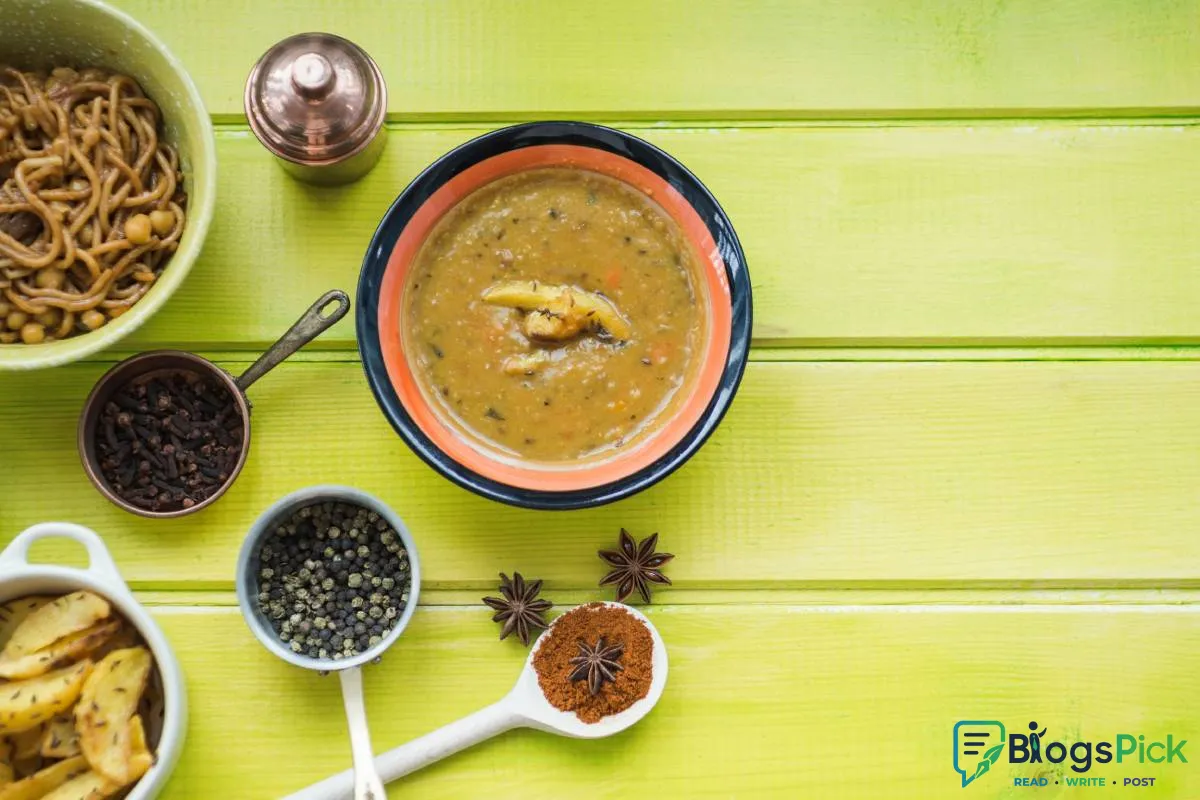
Dal is one of the most common foods in Indian households. Prepared using lentils such as moong, masoor, and toor, it provides plant-based protein, fibre, and essential nutrients. Served with rice or roti, dal makes a simple and satisfying meal.
2. Idli and Sambar – A Delicious South Indian Combination
Idli and sambar are popular breakfast choices across India. Idlis are soft, steamed rice and lentil cakes, while sambar is prepared with vegetables, lentils, and spices. This combination provides carbohydrates, protein, and fibre.
3. Khichdi – Comfort Food with Nutrition
Khichdi is a traditional Indian dish made with rice and lentils. It is easy to prepare, comforting, and can be enriched with vegetables. Its simple ingredients make it a popular meal for people looking for convenient home-cooked food.
4. Roti and Seasonal Vegetables
Whole wheat roti served with seasonal vegetables is a common Indian meal. Whole grains provide fibre, while vegetables supply vitamins and minerals. Adding different colourful vegetables can make everyday meals more nutritious.
5. Curd – A Traditional Dairy Favourite
Curd is widely enjoyed in Indian households, especially during lunch. It contains protein and calcium, and live cultures in some curd products can support gut health. It can be eaten plain or used to prepare raita and lassi.
6. Dhokla – A Light and Tasty Snack
Dhokla is a popular Gujarati snack made primarily from gram flour or fermented batter. It is steamed rather than deep-fried, making it a lighter snack option. It offers protein and can be enjoyed with green chutney.
7. Traditional Indian Spices and Their Benefits
Indian cooking uses a variety of spices that add flavour, aroma, and character to meals.
Some commonly used spices include:
-
Turmeric: Contains curcumin, a compound with antioxidant and anti-inflammatory properties.
-
Cumin: Adds a distinctive flavour to curries and vegetables.
-
Ginger: Commonly used in teas, curries, and homemade preparations.
-
Coriander: Adds freshness and flavour to traditional dishes.
-
Black Pepper: Provides a strong flavour and contains beneficial plant compounds.
Tips for Making Traditional Indian Meals Healthier
You can make everyday Indian meals more balanced with a few simple habits:
-
Include seasonal fruits and vegetables in your diet.
-
Choose whole grains such as wheat, millets, and brown rice.
-
Include protein-rich foods like dal, beans, and curd.
-
Avoid excessive oil, salt, and added sugar.
-
Prefer homemade meals over frequently eating highly processed foods.
-
Maintain variety and balance in your daily meals.
Conclusion
Traditional Indian foods are more than just delicious meals; they represent India's culture, heritage, and generations of cooking knowledge. From dal and khichdi to idli and dhokla, many traditional dishes offer a combination of flavour and valuable nutrients.
By choosing fresh ingredients, using spices wisely, and maintaining balanced portions, we can enjoy the richness of Indian cuisine while supporting a healthy lifestyle.
Good food is not just about taste; it is about nourishing your body while enjoying every bite!









Leave a Reply