
The Power of Education in Transforming Lives
The Power of Education in Transforming Lives
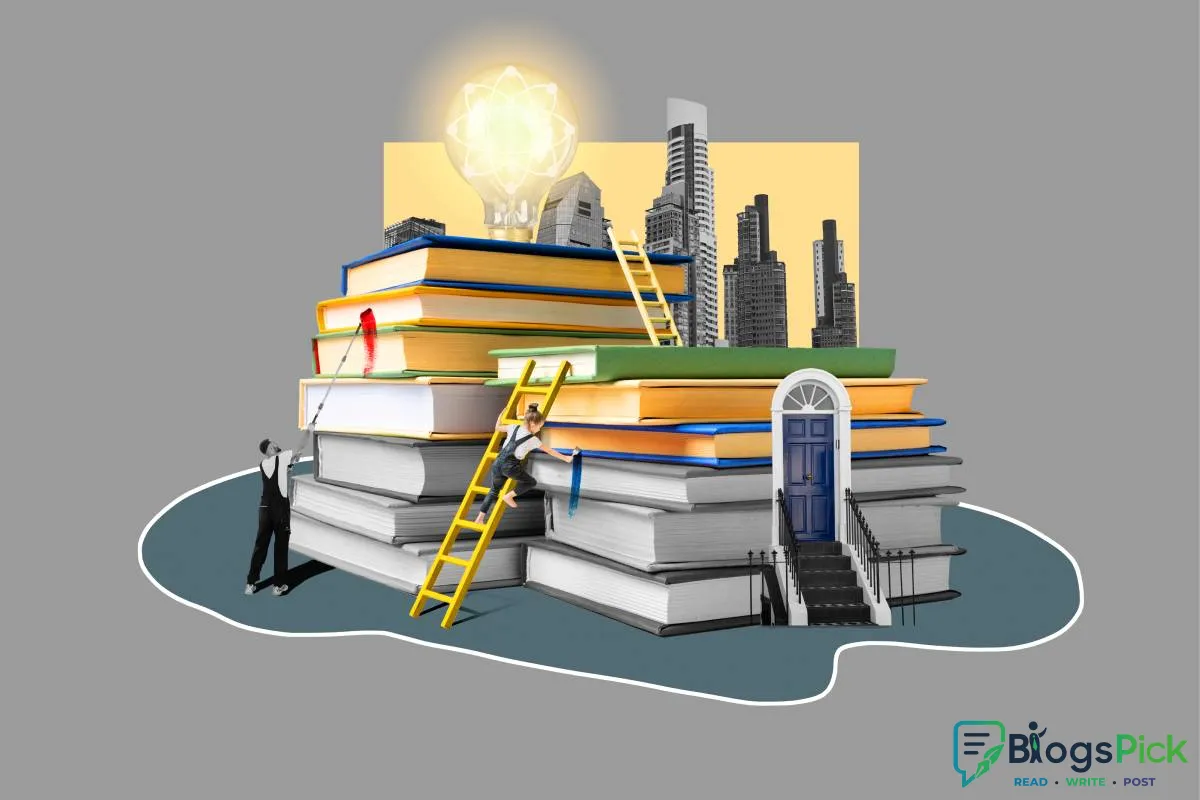
Education is one of the most powerful tools for transforming lives and building a better future. It provides people with knowledge, develops essential skills, and helps them understand the world around them. Education is not limited to reading books, passing examinations, or earning degrees. It also teaches important values, improves decision-making, and encourages people to achieve their goals.
Whether a child is attending school for the first time or an adult is learning something new, education creates opportunities for personal growth and social development. It empowers individuals to overcome challenges, achieve independence, and contribute positively to society.
1. Education Creates Better Opportunities
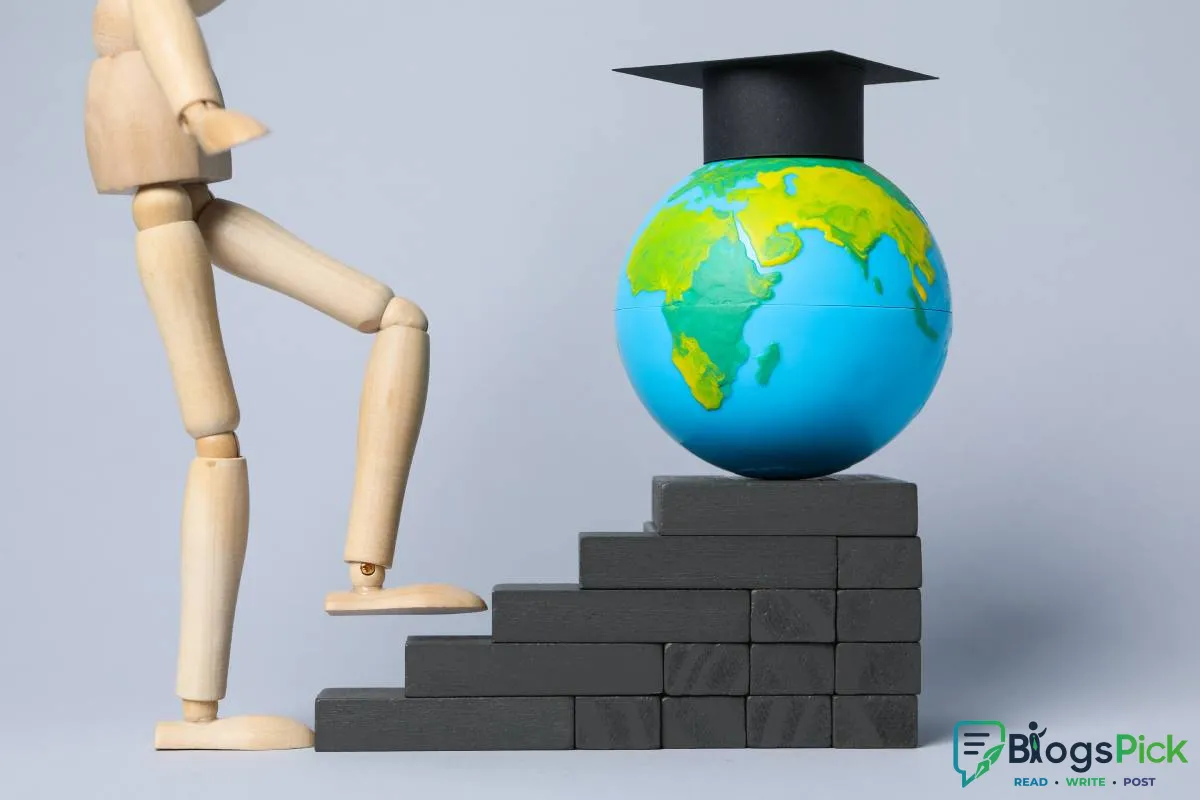
One of the greatest benefits of education is that it opens doors to new opportunities. A good education helps individuals develop the knowledge and skills needed to pursue their chosen careers and build a stable future.
Educated individuals often have more opportunities to explore different professions, improve their earning potential, and achieve financial independence. Education also encourages people to discover their interests and make informed decisions about their future.
For many families, education is an important step toward improving their standard of living and creating better opportunities for the next generation.
2. Education Builds Confidence and Independence
Education helps people become more confident in their abilities. When individuals gain knowledge and learn new skills, they become better prepared to express their ideas, solve problems, and face challenges.
It also encourages independent thinking. Instead of accepting everything without question, educated individuals can evaluate information, consider different perspectives, and make thoughtful decisions.
This confidence and independence can improve many aspects of life, including relationships, career choices, and participation in the community.
3. Education Helps Reduce Poverty
Poverty remains a major challenge in many parts of the world. Education can play an important role in breaking the cycle of poverty by giving individuals access to better employment opportunities and the knowledge needed to improve their lives.
When children receive quality education, they gain a stronger foundation for future learning and career development. Educated parents can also better understand the importance of healthcare, nutrition, financial planning, and education for their children.
Although education alone cannot eliminate poverty, it is an essential part of creating a society where more people have the opportunity to improve their circumstances.
4. Education Promotes Equality
Education helps create a more equal society by providing people with opportunities regardless of their background, gender, or financial circumstances.
Every child deserves access to quality education. Girls' education is particularly important because it supports independence, improves future opportunities, and strengthens families and communities.
When educational opportunities are available to disadvantaged groups, people gain a greater chance to participate in economic, social, and cultural development.
Equal access to education helps build a society in which individuals are valued for their abilities, knowledge, and contributions.
5. Education Develops Critical Thinking and Problem-Solving Skills
Education is not simply about memorizing information. It also teaches people how to think logically, ask questions, and find solutions to problems.
Students learn to analyze information, compare ideas, and understand the consequences of their decisions. These skills are useful not only in examinations but also in everyday life.
For example, critical thinking helps people evaluate news, manage personal finances, resolve disagreements, and make responsible choices.
By developing these abilities, education prepares individuals to deal with changing circumstances and face future challenges with confidence.
6. Education Builds Stronger Communities
The benefits of education extend beyond individuals. Educated people can contribute to the development of their communities by sharing knowledge, supporting others, and participating in social activities.
Education promotes awareness about health, hygiene, environmental protection, equality, and civic responsibilities. It helps people understand their rights and responsibilities and encourages respectful relationships among individuals from different backgrounds.
When communities have access to quality education, they are better equipped to address local challenges and work together toward common goals.
7. The Role of Teachers and Parents in Education
Teachers and parents play a vital role in shaping a child's educational journey. Teachers provide knowledge, encourage curiosity, and guide students in developing important academic and personal skills.
Parents support learning by creating a positive environment at home, encouraging regular study habits, and helping children develop confidence and discipline.
Children learn best when schools and families work together. Support, encouragement, and understanding can help students overcome difficulties and develop a lifelong interest in learning.
Education should not be viewed only as the responsibility of schools. Families, communities, and governments all have an important role in ensuring that every child receives meaningful learning opportunities.
8. Education Encourages Lifelong Learning
Learning does not end when a person completes school or graduates from college. The world continues to change, and people need to keep learning throughout their lives.
Lifelong learning helps individuals develop new interests, understand different perspectives, and adapt to new situations. Reading books, attending educational programs, learning from experience, and participating in community activities can all contribute to personal development.
A willingness to learn helps people remain curious, open-minded, and prepared to make positive changes in their lives.
9. Challenges in Accessing Quality Education
Despite the importance of education, many children and adults still face barriers to learning. Financial difficulties, a lack of schools, shortages of qualified teachers, gender discrimination, and limited educational resources can prevent people from receiving quality education.
Children in rural and economically disadvantaged communities may face additional challenges, including long distances to schools and a lack of basic facilities.
Addressing these problems requires cooperation among governments, educational institutions, families, and communities. Scholarships, affordable learning resources, better school facilities, and trained teachers can help make education more accessible.
Ensuring that every individual has the opportunity to learn is essential for building a fairer and more prosperous society.
Conclusion
The power of education lies in its ability to transform individuals, strengthen families, and improve communities. It creates opportunities, builds confidence, promotes equality, and equips people with the knowledge needed to make better decisions.
Education is much more than a path to employment or academic achievement. It is a foundation for personal growth, responsible citizenship, and social progress.
Every child deserves the chance to learn, grow, and achieve their potential. By investing in education and encouraging lifelong learning, we can help create a future in which more people have the opportunity to live with dignity, independence, and hope.
Education has the power to change one life, inspire a family, and transform an entire society.











Leave a Reply