
How Religious Festivals Bring Families and Communities Together
How Religious Festivals Bring Families and Communities Together
Religious festivals play an important role in bringing people closer to their families, friends, and communities. Across the world, people celebrate different festivals according to their religious beliefs, cultural traditions, and customs. These celebrations are not only about prayers and rituals but also about love, unity, kindness, and togetherness.
In India, festivals such as Diwali, Eid, Christmas, Gurpurab, and Navratri create opportunities for people to connect with their loved ones, share happiness, and strengthen relationships. Religious festivals remind us of the importance of family values, mutual respect, and community spirit.
1. Strengthening Family Bonds
One of the most beautiful aspects of religious festivals is the opportunity to spend quality time with family members. In today's busy lifestyle, people often struggle to find time for their loved ones because of work, education, and other responsibilities.
Festivals encourage families to come together, prepare special meals, decorate their homes, offer prayers, and participate in traditional activities.
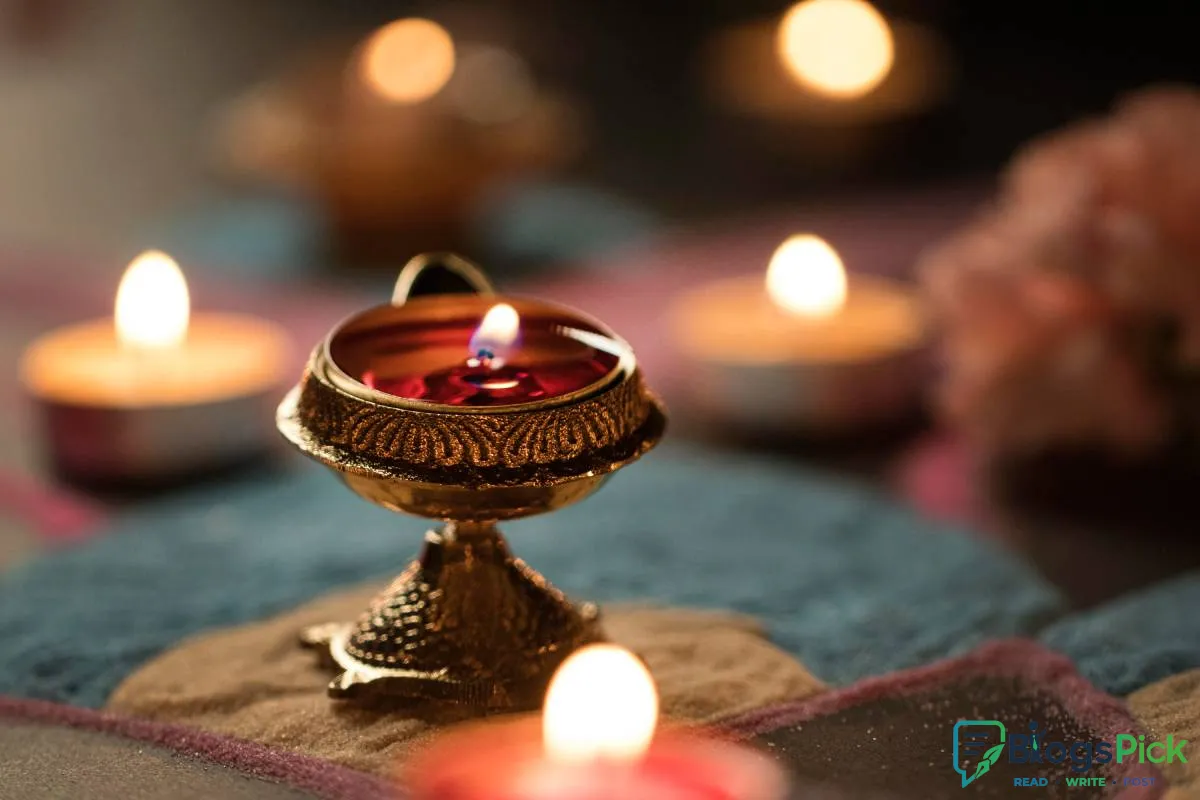
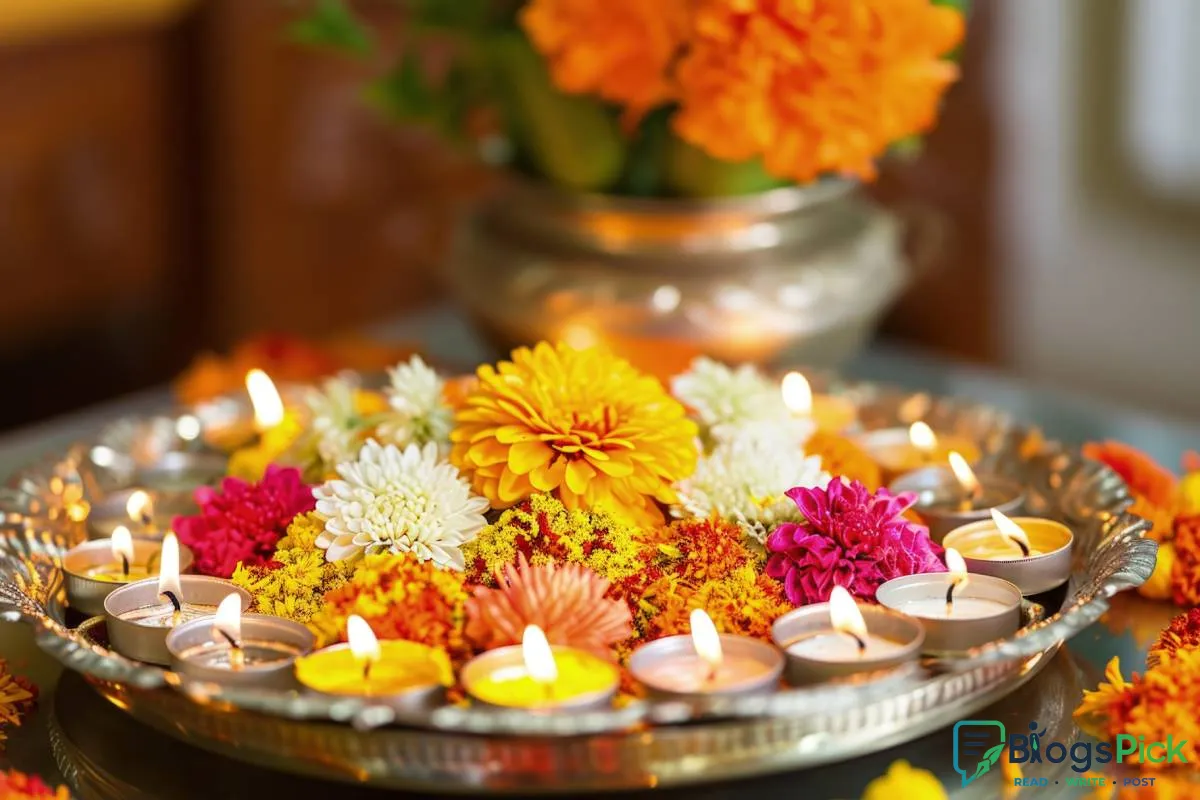
For example, during Diwali, families clean and decorate their homes, light diyas, exchange gifts, and enjoy festive meals together. During Eid, families gather for prayers, prepare delicious food, and share happiness with relatives and friends.
These shared experiences create lasting memories and help strengthen emotional connections between family members.
2. Preserving Cultural Traditions
Religious festivals help preserve cultural traditions and pass them from one generation to the next. Parents and grandparents teach children about the stories, rituals, values, and historical significance associated with different celebrations.
Children learn why particular festivals are celebrated, how traditional ceremonies are performed, and what values they represent.
For example, Navratri introduces people to traditions involving devotion, music, dance, and the worship of Goddess Durga. Christmas celebrations often include decorating Christmas trees, exchanging gifts, attending church services, and sharing meals with loved ones.
By participating in these traditions, younger generations develop a better understanding of their cultural heritage and learn to appreciate their roots.
3. Promoting Unity and Harmony in Communities
Religious festivals can bring entire communities together. Neighbours, friends, and local residents often participate in celebrations, organize events, decorate public spaces, and help one another prepare for festivities.
In many places, people from different religious backgrounds join each other's celebrations. They exchange sweets, share meals, offer greetings, and learn about different customs.
Such interactions encourage mutual respect and help build stronger relationships among people with different beliefs and backgrounds.
When communities celebrate together, they create an atmosphere of friendship, understanding, and social harmony.
4. Encouraging Kindness and Charity
Many religious festivals emphasize generosity, compassion, and helping people in need. These values encourage individuals and families to support those who may be experiencing financial difficulties, loneliness, or other challenges.
During Ramadan and Eid, charitable giving and sharing food with people in need are important practices for many Muslims. During Christmas, individuals and organizations often arrange charity events, donate gifts, and support disadvantaged families. Many Hindu festivals also inspire people to donate food, clothes, and other essentials.
These acts of kindness teach children and adults that celebrations become more meaningful when happiness is shared with others.
5. Creating Opportunities for Social Interaction
Religious festivals provide opportunities for people to meet relatives, reconnect with old friends, and build new relationships.
Community gatherings, religious processions, cultural performances, fairs, and shared meals allow people to interact outside their usual routines.
For people who live far away from their families, festivals can also be a reason to travel home and reconnect with loved ones. Even when distance makes physical gatherings difficult, phone calls and video chats help families stay connected.
These interactions reduce feelings of isolation and strengthen the sense of belonging that people experience within their communities.
6. Teaching Children Important Life Values
Religious festivals offer valuable opportunities to teach children lessons about respect, gratitude, patience, generosity, and cooperation.
When children help decorate their homes, prepare festival meals, distribute food, or participate in community activities, they learn the importance of contributing to a shared experience.
Parents can also explain the moral lessons associated with religious stories and traditions. These conversations help children understand that festivals are not only occasions for entertainment and gifts but also opportunities to practice positive values.
Such lessons can influence how children treat their families, friends, neighbours, and other members of society.
7. Supporting Local Businesses and Community Activities
Religious festivals also encourage economic and social activity within communities. People purchase clothes, sweets, decorations, flowers, gifts, and traditional items from local shops and small businesses.
Community organizations, schools, religious institutions, and local groups may arrange cultural programs, charity drives, and public celebrations.
These activities create opportunities for people to work together and support local businesses. They can also help artisans, craftspeople, food vendors, and small entrepreneurs earn additional income during festive seasons.
In this way, religious festivals contribute to both social connections and local economic development.
8. Encouraging Respect for Different Religions
Learning about different religious festivals helps people understand beliefs and traditions beyond their own communities.
For example, understanding the meaning of Eid, Diwali, Christmas, or Gurpurab can encourage respectful conversations and reduce misunderstandings.
Schools, workplaces, and neighbourhoods can promote inclusivity by acknowledging different celebrations and allowing people to share their traditions.
Respect does not require everyone to follow the same beliefs. Instead, it means recognizing that people can have different traditions while sharing common values such as kindness, peace, love, and compassion.
9. Bringing People Together in Difficult Times
Religious festivals can provide comfort, hope, and emotional support during challenging periods. Gathering with loved ones, participating in familiar rituals, and receiving encouragement from a community can help people feel less alone.
During difficult times, neighbours and community groups may organize food distribution, support families in need, or arrange charitable activities in the spirit of a festival.
These gestures remind people that they are part of a larger community where cooperation and compassion matter.
Although festivals cannot solve every problem, they can create opportunities for people to support one another and build stronger relationships.
10. Making Religious Celebrations More Inclusive
To make festivals more meaningful, families and communities can focus on activities that welcome everyone.
Here are a few simple ways to encourage togetherness:
-
Invite neighbours and friends to participate in appropriate festive activities.
-
Share traditional food and sweets with others.
-
Organize community meals and charity events.
-
Teach children about the meaning and history of different festivals.
-
Respect different religious practices, dietary needs, and cultural customs.
-
Reduce waste by using environmentally responsible decorations.
-
Support local artisans and small businesses.
-
Make an effort to include elderly people and those who may feel isolated.
Small actions can turn religious celebrations into opportunities for genuine connection and positive change.
Conclusion
Religious festivals are much more than annual celebrations. They provide opportunities to strengthen family relationships, preserve cultural traditions, encourage charity, and build stronger communities.
Whether people gather for prayers, prepare traditional meals, exchange gifts, or help those in need, these activities bring individuals closer through shared experiences and common values.
In a world where busy schedules and differences can sometimes create distance between people, religious festivals remind us of the importance of togetherness, understanding, and compassion.
Ultimately, the true spirit of a festival lies not only in its rituals or decorations but also in the kindness, respect, and happiness people share with one another.
Celebrating together makes festivals more meaningful, strengthens communities, and helps create a world where people respect and support one another.












Leave a Reply