
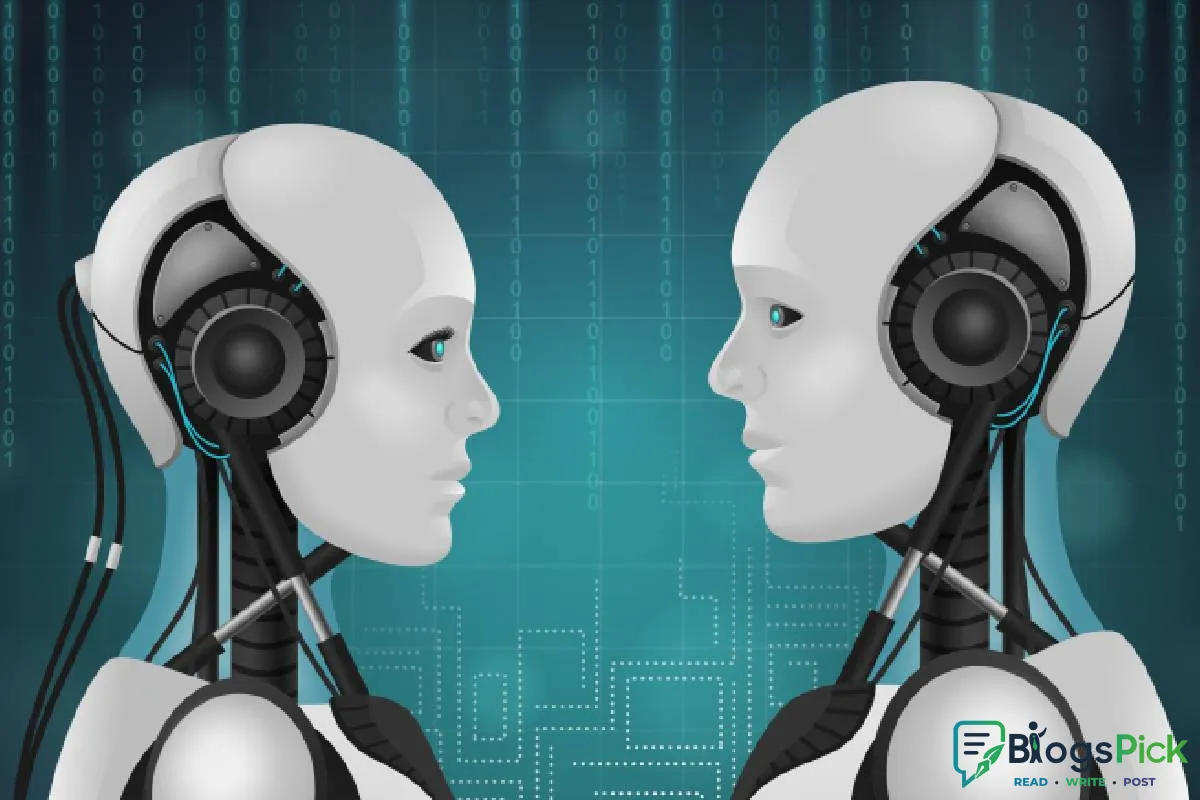
Artificial Intelligence vs Human Intelligence: A New Era
Artificial Intelligence vs Human Intelligence: A New Era
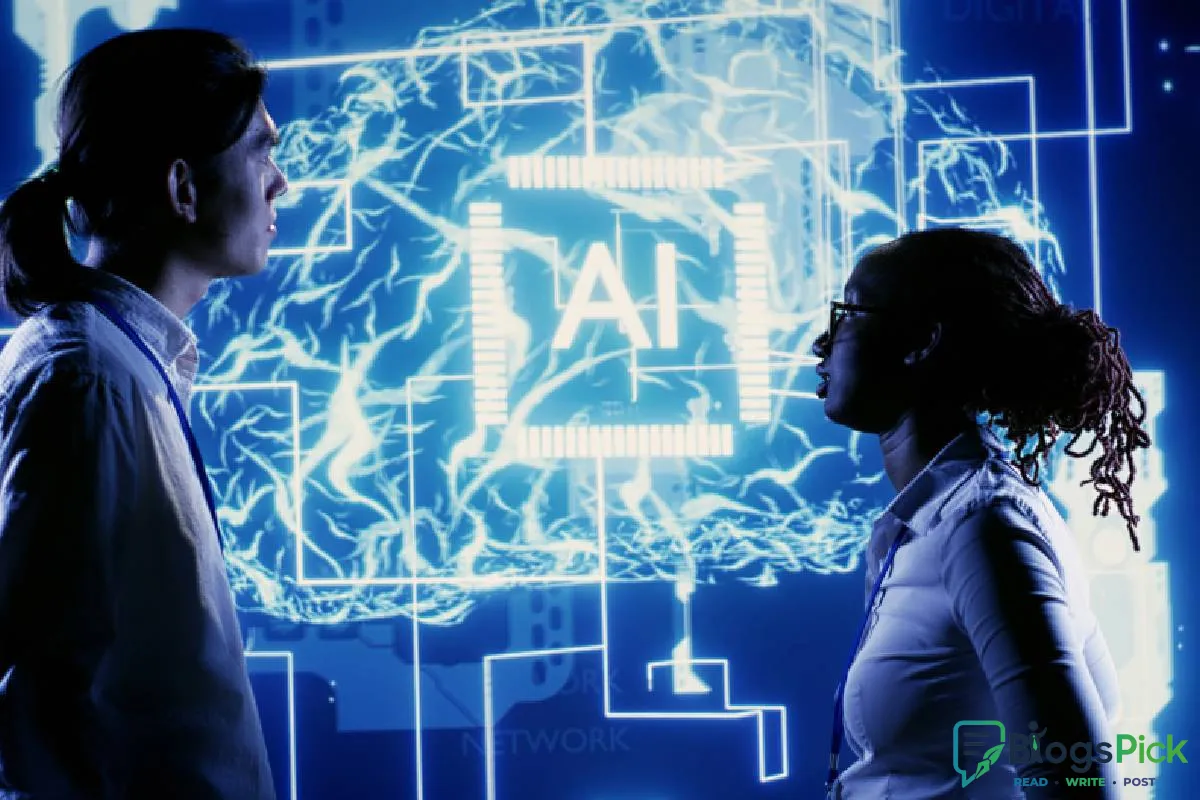
Artificial Intelligence (AI) has become one of the most transformative technologies of the 21st century. From virtual assistants and self-driving cars to advanced medical diagnostics and personalized recommendations, AI is changing how we live and work. As AI continues to evolve, many people wonder: Can Artificial Intelligence replace Human Intelligence?
The answer isn't as simple as choosing one over the other. While AI excels at processing massive amounts of data and automating tasks, human intelligence remains unmatched in creativity, emotional understanding, ethics, and critical thinking. Together, they are shaping a new era of innovation and collaboration.
What Is Artificial Intelligence?
Artificial Intelligence refers to computer systems designed to perform tasks that typically require human intelligence. These tasks include:
- Learning from data
- Recognizing speech and images
- Solving problems
- Making predictions
- Understanding natural language
- Automating repetitive processes
Popular AI applications include chatbots, recommendation systems, fraud detection, autonomous vehicles, and generative AI tools.
What Is Human Intelligence?
Human intelligence is the ability to think, reason, learn, adapt, and make decisions based on experience, emotions, and ethics. Unlike AI, humans possess consciousness, intuition, imagination, and empathy.
Human intelligence enables us to:
- Solve complex real-world problems
- Think creatively
- Understand emotions
- Build meaningful relationships
- Make ethical decisions
- Adapt to unpredictable situations
Artificial Intelligence vs Human Intelligence
| Feature | Artificial Intelligence | Human Intelligence |
|---|---|---|
| Learning | Learns from data and algorithms | Learns from experience and observation |
| Speed | Extremely fast | Comparatively slower |
| Accuracy | High for defined tasks | Can make errors but adapts quickly |
| Creativity | Limited to learned patterns | Highly creative and innovative |
| Emotions | No genuine emotions | Understands and expresses emotions |
| Decision Making | Data-driven | Logic, emotions, ethics, and intuition |
| Adaptability | Limited to training and programming | Highly adaptable to new situations |
Strengths of Artificial Intelligence
1. Speed and Efficiency
AI can process millions of records in seconds, making it ideal for tasks such as financial analysis, medical imaging, and large-scale data processing.
2. Automation
Businesses use AI to automate repetitive tasks, improving productivity and reducing operational costs.
3. Data Analysis
AI identifies trends and insights from massive datasets that would take humans much longer to analyze.
4. 24/7 Availability
Unlike humans, AI systems can operate continuously without fatigue, making them valuable for customer support and monitoring systems.
Strengths of Human Intelligence
Creativity
Humans create original ideas, invent new technologies, compose music, write stories, and solve problems in imaginative ways.
Emotional Intelligence
Understanding emotions, empathy, and communication are uniquely human qualities that AI can imitate but not truly experience.
Ethical Judgment
Humans consider morality, fairness, and societal values when making important decisions.
Adaptability
People can quickly adjust to unfamiliar situations and learn from limited experiences, while AI generally depends on data and training.
Can AI Replace Humans?
AI is expected to automate many repetitive and data-intensive tasks, but complete replacement of human intelligence is unlikely.
Instead, AI is changing the nature of work by allowing people to focus on higher-value activities such as:
- Strategic planning
- Innovation
- Leadership
- Creative problem-solving
- Customer relationships
The future belongs to professionals who know how to work alongside AI rather than compete against it.
Real-World Applications
Healthcare
AI assists doctors by analyzing medical images and predicting diseases, while physicians make final treatment decisions based on clinical expertise and patient needs.
Education
AI-powered learning platforms personalize lessons, but teachers provide motivation, mentorship, and emotional support.
Business
Companies use AI for customer service, marketing analytics, and demand forecasting, while leaders make strategic decisions.
Software Development
AI can generate code, detect bugs, and suggest improvements, but developers are still responsible for designing systems, understanding business requirements, and ensuring software quality.
Challenges of Artificial Intelligence
Despite its advantages, AI also presents important challenges:
- Data privacy concerns
- Algorithmic bias
- Job displacement in certain industries
- Cybersecurity risks
- Ethical and legal questions
- Dependence on high-quality data
Responsible AI development requires transparency, regulation, and human oversight.
The Future: Collaboration Over Competition
The future is not about Artificial Intelligence versus Human Intelligence—it is about Artificial Intelligence with Human Intelligence.
As AI becomes more capable, success will depend on combining:
- AI's speed and analytical power
- Human creativity and innovation
- Emotional intelligence
- Ethical decision-making
- Critical thinking
Organizations that effectively integrate both will be better positioned to innovate and solve complex global challenges.
Conclusion
Artificial Intelligence is transforming industries and improving efficiency across countless fields. However, human intelligence remains essential for creativity, empathy, ethics, and leadership. Rather than replacing humans, AI is becoming a powerful partner that enhances our abilities and opens new opportunities.
The new era belongs to those who embrace technology while continuing to develop the uniquely human skills that machines cannot replicate. By working together, humans and AI can create a smarter, more innovative, and more connected future.














Leave a Reply