
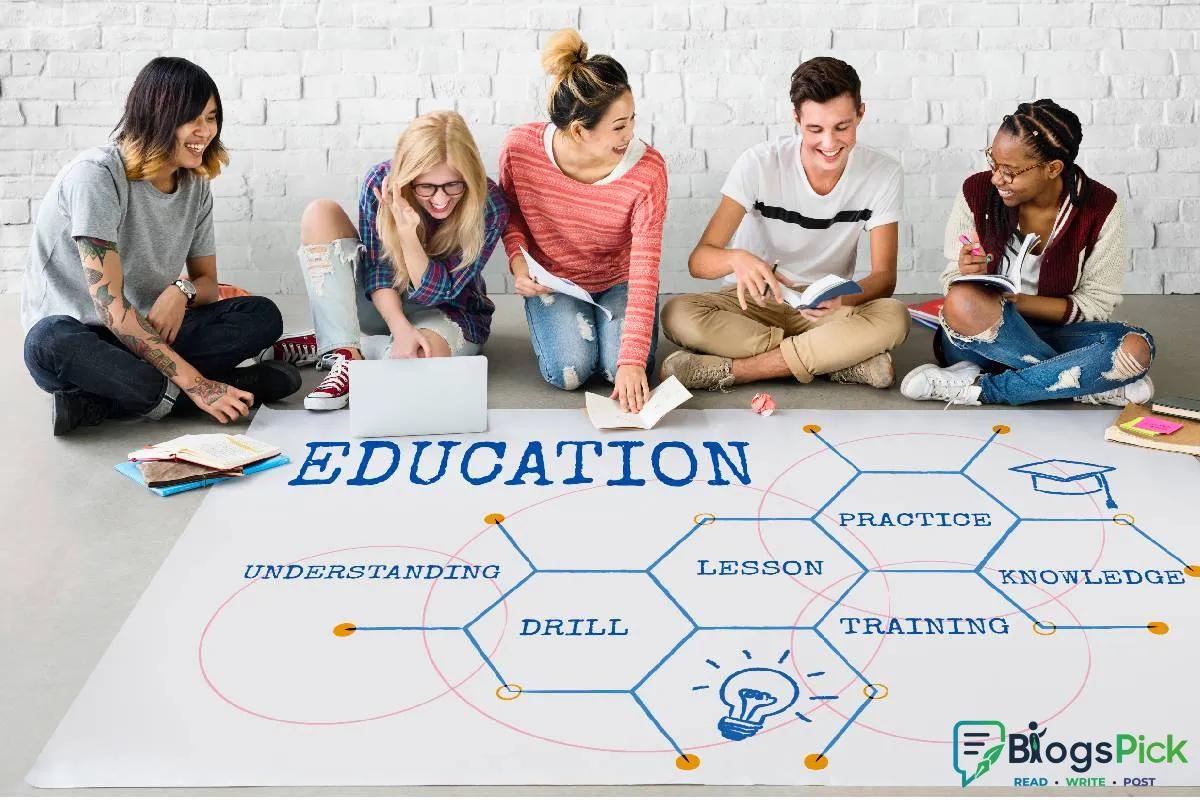
How Skill Based Education Prepares Students for Careers
How Skill-Based Education Prepares Students for Careers
In today’s competitive job market, having a degree is important, but practical skills are equally valuable. Skill-based education focuses on developing the knowledge, technical abilities, and practical experience students need to perform effectively in real-world jobs.
What Is Skill-Based Education?
Skill-based education is a learning approach that emphasizes practical knowledge and job-related skills rather than focusing only on theoretical concepts. Students learn by working on projects, solving real-world problems, using industry tools, and practicing skills relevant to their chosen career.
For example, a student interested in software development may learn programming languages, databases, version control, and web development while also working on practical projects.
Why Are Practical Skills Important?
Employers often look for candidates who can apply what they have learned. Practical skills can help students:
- Understand real-world workplace requirements
- Gain confidence in their abilities
- Develop problem-solving skills
- Work effectively with modern tools and technologies
- Adapt to changing industry requirements
- Build stronger portfolios and resumes
Skill-Based Learning Improves Career Readiness
One of the biggest advantages of skill-based education is that it helps bridge the gap between academic learning and professional work.
Students can gain experience through:
- Live and practical projects
- Internships and training programs
- Workshops and hands-on assignments
- Industry-focused courses
- Team-based activities
- Problem-solving exercises
These experiences allow students to understand how their knowledge can be applied in an actual workplace.
Developing Soft Skills
Career preparation is not limited to technical knowledge. Employers also value soft skills such as communication, teamwork, time management, adaptability, and leadership.
Skill-based education can provide opportunities for students to develop these skills through presentations, group projects, interviews, and collaborative assignments.
Building Confidence for the Workplace
Practical experience can make students more comfortable with professional responsibilities. Completing projects and solving real-world problems gives learners opportunities to learn from mistakes and improve their abilities.
This confidence can be useful when preparing for interviews, internships, and their first professional role.
Choosing the Right Skills
Students should identify the skills that are relevant to their career goals. Technology, business, healthcare, design, finance, and other industries all require different combinations of technical and professional skills.
Regularly updating skills is also important because industries continue to evolve with new technologies and changing workplace requirements.
Conclusion
Skill-based education plays an important role in preparing students for modern careers. By combining theoretical knowledge with practical experience, problem-solving, and professional skills, students can become better prepared to meet workplace requirements.
Education is no longer only about earning a qualification—it is also about developing the skills needed to turn knowledge into meaningful career opportunities.











Leave a Reply