How Online Learning Is Changing Education
Education has always evolved with society, technology, and changing student needs. One of the biggest transformations in recent years has been the growth of online learning. From virtual classrooms and recorded lectures to interactive courses and digital study materials, technology has made education more accessible and flexible than ever before.
What Is Online Learning?
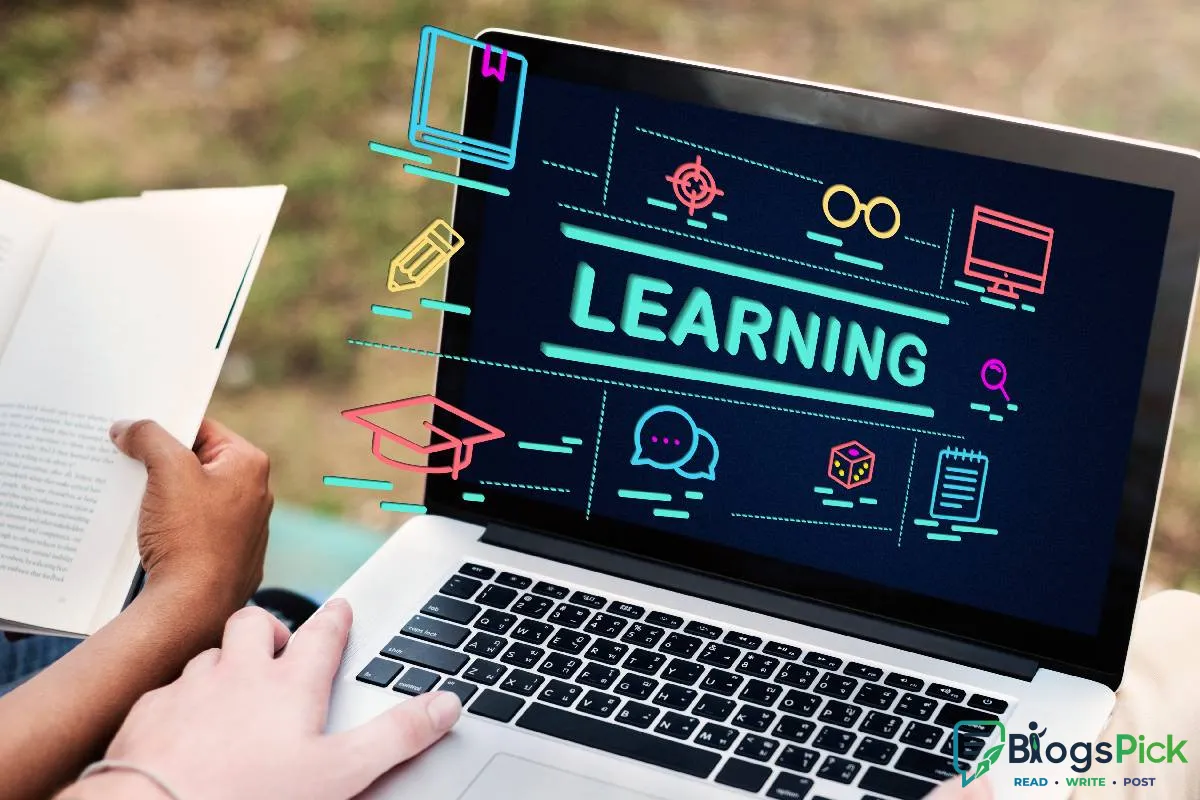
Online learning is a method of education where students access lessons, courses, training programs, and educational resources through the internet. Students can learn using computers, tablets, or smartphones without necessarily attending a traditional classroom.
Online education can include:
- Live virtual classes
- Recorded video lectures
- Online assessments and quizzes
- Digital books and study materials
- Interactive learning platforms
- Online skill-development courses
- Virtual projects and assignments
This approach has become popular among school students, college students, working professionals, and people who want to learn new skills.
Greater Access to Education
One of the biggest advantages of online learning is accessibility. Traditional education may require students to travel to a particular institution, follow fixed schedules, and sometimes relocate to another city.
Online learning removes many of these barriers. Students can access educational content from almost anywhere with an internet connection. This makes it easier for learners to explore subjects and courses that may not be available locally.
Learning at Your Own Pace
Every student learns differently. In a traditional classroom, everyone generally follows the same schedule, but online learning provides greater flexibility.
Recorded lectures can be watched again when a topic is difficult to understand. Students can also review important concepts and spend additional time practicing areas where they need improvement.
This flexibility can make learning more comfortable and personalized.
Developing Practical Skills
Online learning is not limited to academic subjects. Today, people can learn practical and career-oriented skills such as programming, digital marketing, graphic design, data analysis, communication, and many other professional skills.
For students and job seekers, this provides an opportunity to supplement their formal education with skills that can support their career goals.
The Role of Technology in Learning
Technology has made online education more interactive. Video lessons, presentations, digital simulations, online discussions, quizzes, and collaborative tools can create engaging learning experiences.
Artificial intelligence and other emerging technologies are also opening new possibilities for personalized learning, helping learners receive content and practice activities suited to their progress.
Benefits for Working Professionals
Online learning is particularly useful for working professionals. Instead of leaving a job or attending classes at fixed times, professionals can often study around their existing schedules.
They can take courses to improve their current skills, learn new technologies, or prepare for career advancement.
Challenges of Online Learning
Although online learning offers many benefits, it also has challenges. Students need self-discipline and time-management skills to stay consistent with their studies.
Other challenges can include:
- Limited interaction in some courses
- Internet and technology requirements
- Distractions at home
- Difficulty staying motivated
- Reduced hands-on experience in certain subjects
Therefore, online learning works best when supported by good course structure, qualified instructors, practical assignments, and regular student engagement.
The Future of Education
Online learning is unlikely to completely replace traditional classrooms. Instead, the future of education is likely to combine traditional teaching with digital learning.
Hybrid education can provide the benefits of classroom interaction while also giving students access to online resources, recorded lessons, digital assessments, and flexible learning opportunities.
Conclusion
Online learning is changing education by making learning more flexible, accessible, and skill-focused. Students can learn from different locations, study at their own pace, and develop knowledge beyond traditional classrooms.
As technology continues to evolve, online education will play an increasingly important role in helping people learn, develop new skills, and prepare for the changing demands of the modern world.














Leave a Reply