

A Beginner’s Guide to Eating a Balanced Diet
A Beginners Guide to Eating a Balanced Diet
Eating a balanced diet is one of the simplest ways to support your overall health and well-being. Our body needs different nutrients to provide energy, support growth, strengthen the immune system, and keep our organs functioning properly. A balanced diet does not mean giving up all your favorite foods—it means eating a variety of nutritious foods in the right proportions.
What Is a Balanced Diet?
A balanced diet includes a variety of foods that provide essential nutrients such as carbohydrates, proteins, healthy fats, vitamins, minerals, fiber, and water. No single food can provide everything your body needs, so variety is important.
A healthy meal can include whole grains, vegetables, fruits, protein-rich foods, and healthy sources of fat.
Important Components of a Balanced Diet
1. Fruits and Vegetables
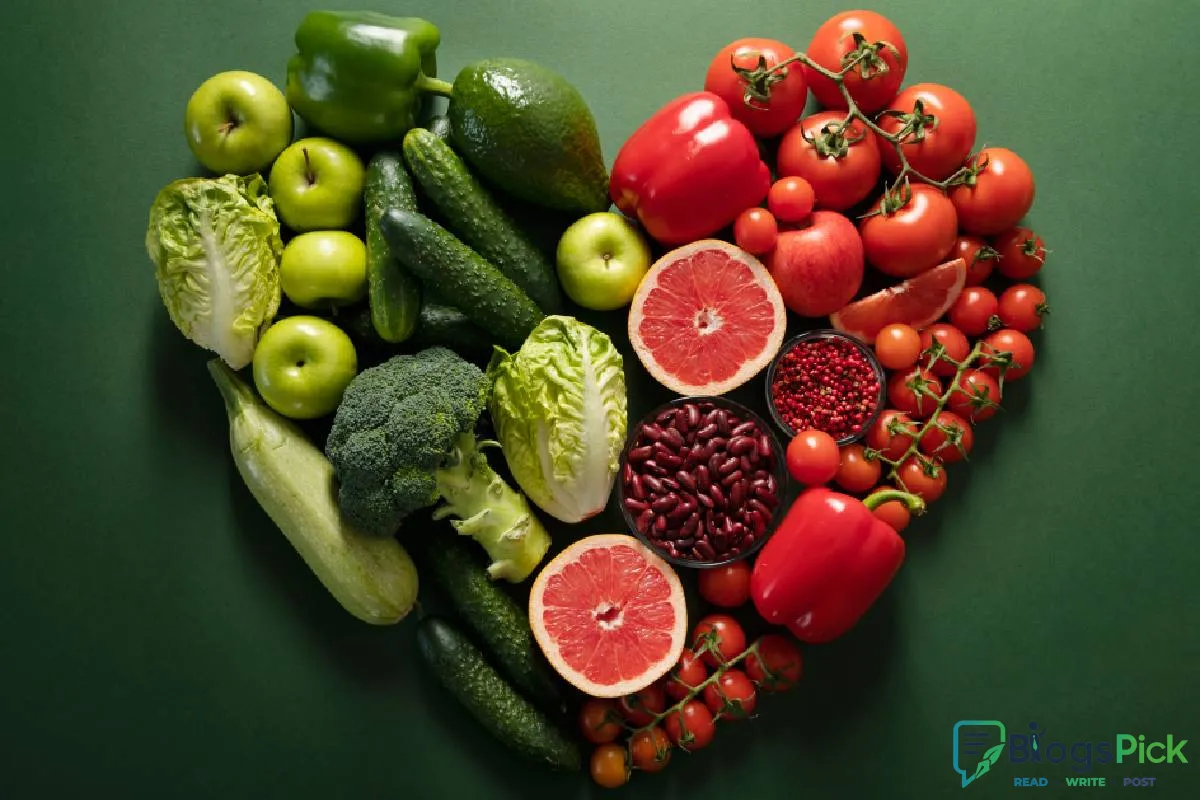
Fruits and vegetables are rich in vitamins, minerals, antioxidants, and fiber. Try to include different colors of fruits and vegetables in your daily meals to get a wide range of nutrients.
Examples include apples, bananas, oranges, carrots, spinach, tomatoes, broccoli, and cucumber.
2. Whole Grains
Whole grains can provide carbohydrates and fiber, which help supply energy and support digestion. Foods such as oats, brown rice, whole-wheat bread, and millets can be useful choices.
3. Protein-Rich Foods
Protein is important for maintaining and repairing muscles and other body tissues. Good sources include pulses, beans, lentils, eggs, dairy products, nuts, seeds, fish, and lean meats.
4. Healthy Fats
Your body also needs fats for several important functions. Choose healthier sources such as nuts, seeds, avocados, and plant-based oils, while limiting foods high in trans fats and excessive saturated fat.
5. Water
Water is essential for maintaining hydration and supporting many processes in the body. Drink water regularly throughout the day, especially during hot weather or physical activity.
Simple Tips for Beginners
Starting a healthy eating routine does not have to be difficult. You can begin with small changes:
- Include vegetables in your main meals.
- Choose whole grains more often.
- Add a source of protein to your meals.
- Eat fresh fruits instead of relying heavily on processed snacks.
- Drink enough water.
- Limit excessive sugar, salt, and highly processed foods.
- Avoid skipping meals regularly.
- Practice portion control.
Balance Is More Important Than Perfection
A balanced diet is about your overall eating pattern rather than one particular meal. You can occasionally enjoy your favorite foods while still maintaining healthy eating habits. The goal is to create a sustainable routine that provides your body with a wide variety of nutrients.
Conclusion
Eating a balanced diet is an important part of maintaining a healthy lifestyle. By including fruits, vegetables, whole grains, protein, healthy fats, and adequate water in your daily routine, you can make better nutritional choices. Start with small, realistic changes and gradually develop healthier eating habits.
Remember: healthy eating is not about eating less—it is about eating better and giving your body the nutrients it needs.

















Leave a Reply