
The Impact of Social Media on Entertainment
The Impact of Social Media on Entertainment
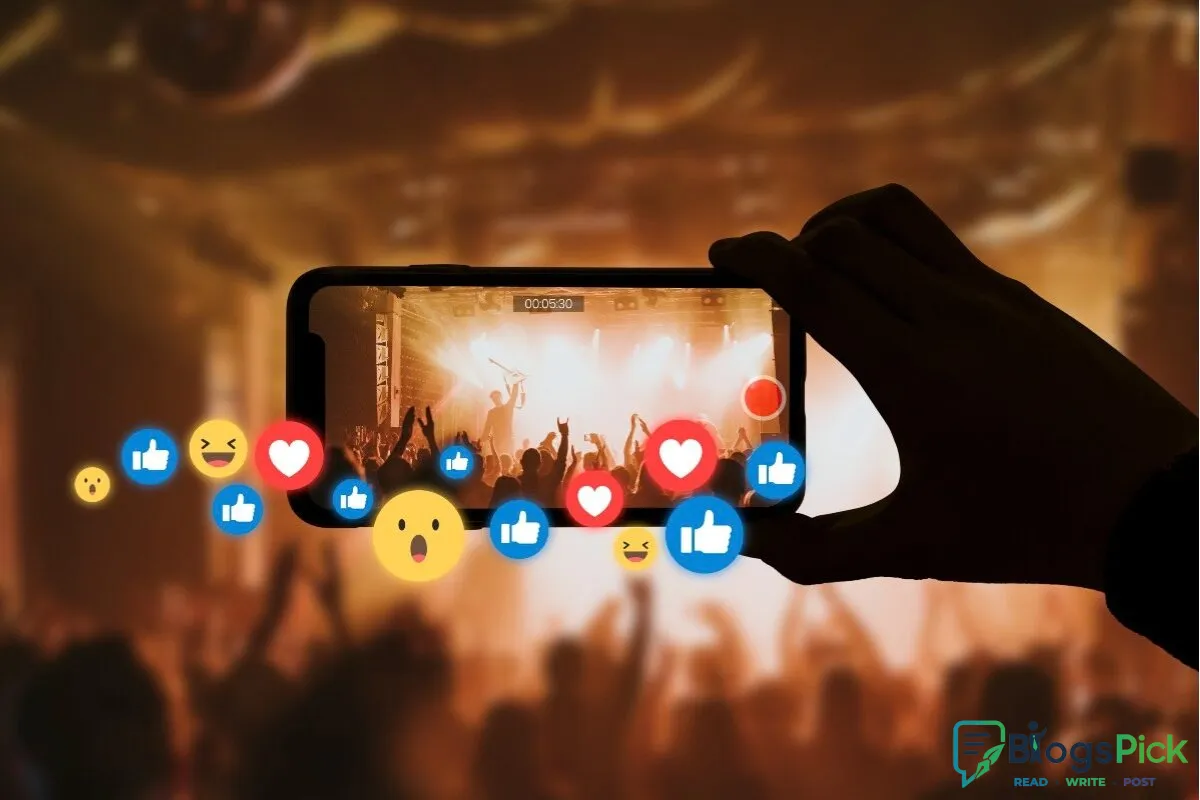
Social media has transformed the entertainment industry in ways that were difficult to imagine a few decades ago. Platforms such as Instagram, YouTube, Facebook, TikTok, and X have changed how people discover, consume, share, and discuss entertainment. Today, a song, movie trailer, comedy video, or television show can reach millions of people within a short period of time.
Changing the Way People Consume Entertainment
Traditional entertainment once depended heavily on television, cinemas, newspapers, and radio. Social media has introduced a faster and more interactive way to enjoy content. People can watch short videos, listen to music, follow celebrities, discover new creators, and discuss their favorite shows directly from their smartphones.
Short-form videos have become particularly popular because they provide quick entertainment that can be enjoyed almost anywhere. This has also encouraged creators to produce content that is engaging and easy to share.
Helping New Talent Gain Recognition
One of the biggest advantages of social media is that it provides opportunities for emerging artists. Singers, dancers, actors, comedians, musicians, and content creators can showcase their skills without depending entirely on traditional entertainment companies.
A talented creator can build an audience through consistent content and interaction with followers. In some cases, viral content can attract the attention of producers, brands, music companies, and other industry professionals.
Social Media and the Music Industry
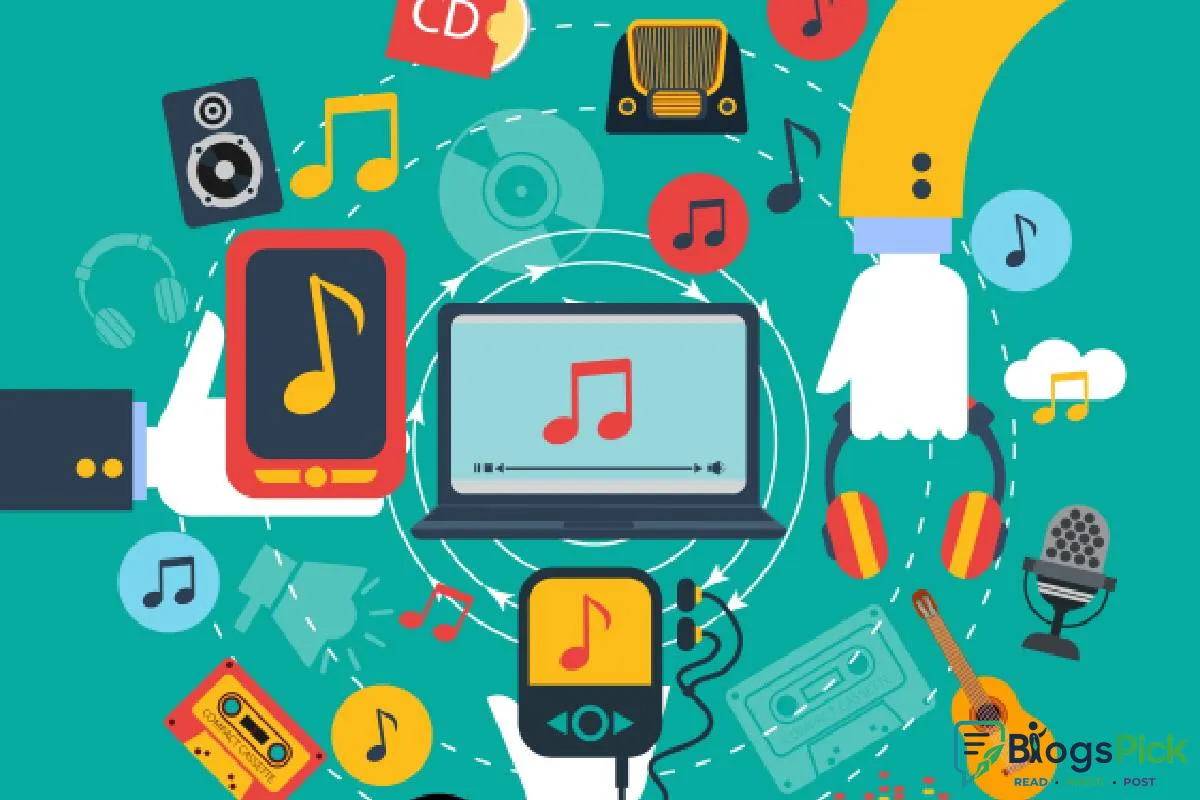
Social media has become an important platform for discovering and promoting music. Artists can share new songs, behind-the-scenes content, music videos, and live performances directly with their audiences.
A popular social media trend can also increase interest in a particular song. Users may create videos using the same music, helping it reach audiences beyond the artist's existing fan base.
Promoting Movies and Television Shows
The entertainment industry also uses social media extensively to promote movies and television programs. Trailers, posters, interviews, behind-the-scenes videos, and promotional clips can be shared instantly with large audiences.
Social media discussions can generate interest around upcoming releases. Fans can also interact with actors, directors, and other entertainment professionals, creating a stronger connection between audiences and the people behind their favorite content.
The Rise of Influencers and Content Creators
Social media has created an entirely new category of entertainers: content creators and influencers. Many creators have developed large audiences by producing comedy, lifestyle, gaming, educational, travel, or other forms of entertaining content.
Their popularity has also created new opportunities for advertising and brand partnerships. Businesses increasingly collaborate with creators because they can communicate with specific audiences in a more direct and personal way.
Greater Audience Participation
Entertainment is no longer simply something people watch or listen to. Social media allows audiences to participate actively. Viewers can comment on shows, share opinions, create memes, post reviews, participate in challenges, and produce their own versions of popular content.
This interaction has made entertainment more social and community-driven.
Challenges of Social Media Entertainment
Despite its benefits, social media also presents challenges. The huge volume of content makes it difficult for creators to consistently attract attention. Trends can change quickly, requiring creators and entertainment companies to adapt continuously.
There are also concerns about misinformation, copyright violations, online harassment, and the pressure to constantly create content. Responsible use of social media is therefore important for both creators and audiences.
The Future of Social Media and Entertainment
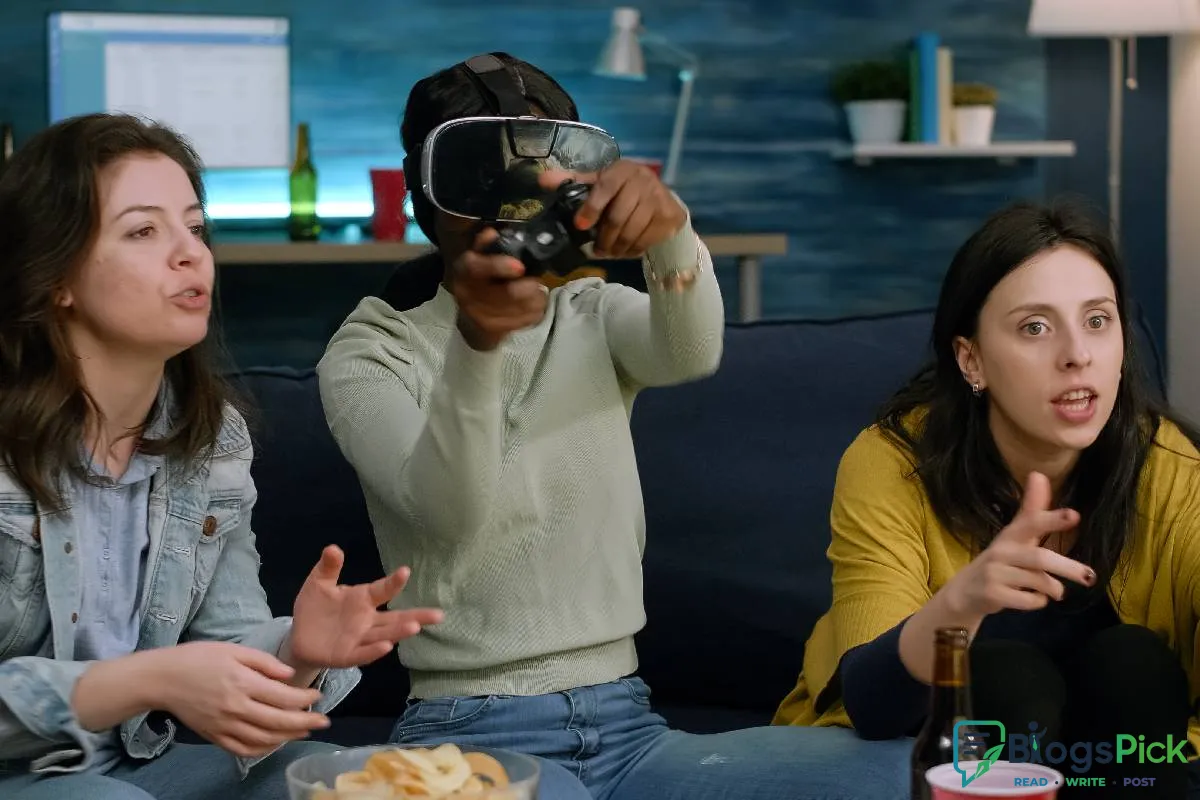
Social media will likely continue to play an important role in the entertainment industry. Advances in artificial intelligence, virtual reality, live streaming, and interactive content may create even more ways for audiences to experience entertainment.
The relationship between creators and audiences is also likely to become increasingly direct. Instead of relying only on traditional media channels, entertainers can build communities and communicate with their audiences through multiple digital platforms.
Conclusion
Social media has fundamentally changed the entertainment landscape. It has made content more accessible, created opportunities for new talent, strengthened audience interaction, and provided powerful promotional tools for the entertainment industry.
As technology continues to develop, social media will remain an important part of how people discover and experience entertainment. The industry will continue to evolve as creators, audiences, and businesses find new ways to connect in the digital world.












Leave a Reply