

A Beginner’s Guide to Healthy Eating
A Beginner’s Guide to Healthy Eating
Healthy eating does not have to be complicated. For beginners, it is mainly about making better food choices, eating a variety of nutritious foods, and developing habits that can be maintained over time. A balanced diet can support energy levels, overall health, and everyday well-being.
What Is Healthy Eating?
Healthy eating means providing your body with a variety of nutrients through foods such as vegetables, fruits, whole grains, pulses, dairy or alternatives, nuts, seeds, and appropriate sources of protein.
Instead of completely avoiding certain foods, focus on balance, variety, and moderation.
1. Add More Fruits and Vegetables
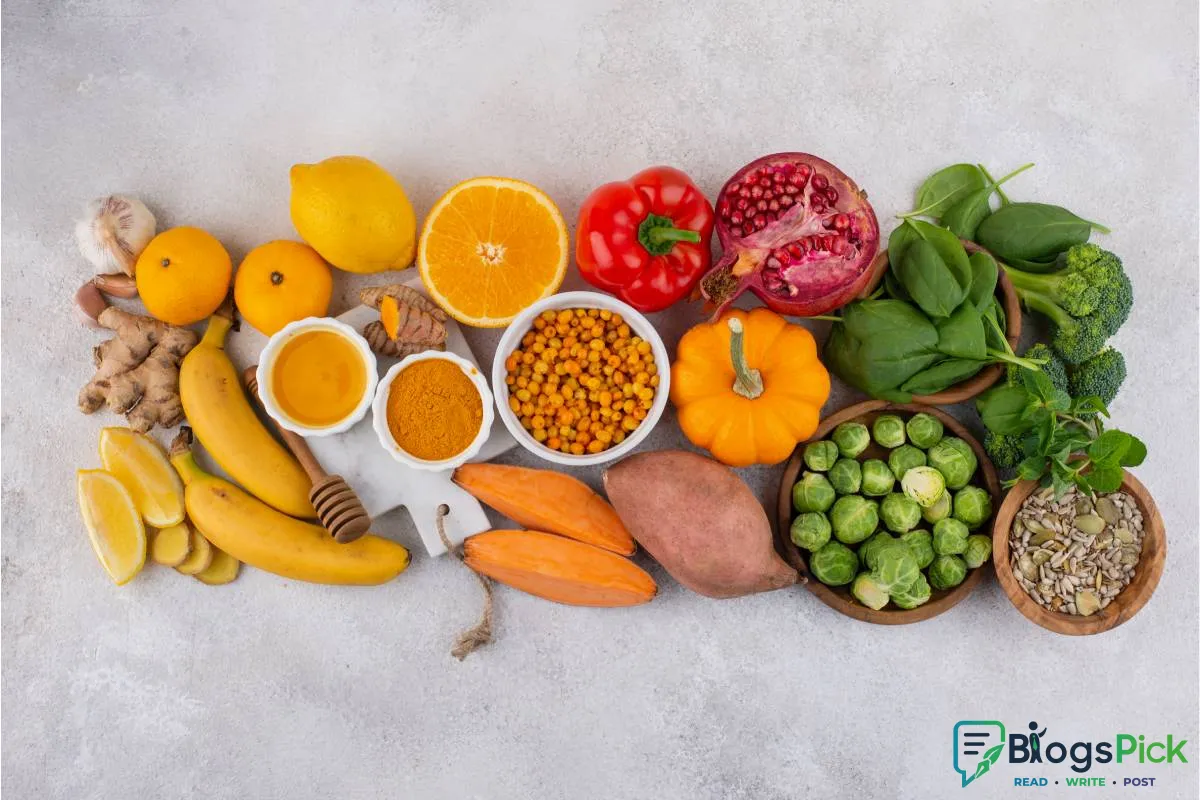
Fruits and vegetables provide important vitamins, minerals, fiber, and other nutrients.
Try to include different types and colors throughout the day. Seasonal fruits and locally available vegetables can also be convenient choices.
Some simple options include:
- Apples, bananas, oranges, and berries
- Spinach, carrots, tomatoes, and broccoli
- Cucumbers and other fresh vegetables as snacks
- Mixed vegetables with lunch or dinner
2. Choose Better Sources of Carbohydrates
Carbohydrates are an important source of energy. Rather than eliminating them, choose nutritious sources more often.
Consider:
- Whole-wheat roti
- Brown rice
- Oats
- Whole-grain bread
- Millets
- Sweet potatoes
These foods can also provide fiber and other nutrients.
3. Include Protein in Your Meals
Protein helps support muscles and many important functions in the body.
Depending on your dietary preferences, good choices can include:
- Dal and other pulses
- Beans and chickpeas
- Paneer and curd
- Eggs
- Fish
- Chicken
- Nuts and seeds
Try to include a protein source in your main meals.
4. Drink Enough Water
Water is essential for normal body functions. Make water your primary everyday beverage and drink regularly throughout the day.
Limit frequent consumption of sugary drinks, which can add substantial amounts of sugar without providing much nutritional value.
5. Reduce Highly Processed Foods
You do not have to completely eliminate your favorite foods. However, foods that are high in added sugar, salt, or unhealthy fats are generally better enjoyed less frequently.
Try replacing frequent consumption of:
- Sugary soft drinks
- Packaged snacks
- Deep-fried foods
- Highly sweetened desserts
with healthier everyday alternatives.
6. Pay Attention to Portion Sizes
Even nutritious foods can contribute to excessive calorie intake when portions are consistently very large.
A simple approach is to serve reasonable portions and eat slowly. Pay attention to your hunger and fullness rather than eating automatically.
7. Plan Your Meals
Meal planning can make healthy eating easier.
Before the week begins, consider planning a few simple meals and keeping nutritious ingredients available at home. Preparing food in advance can also reduce the temptation to rely on fast food when you are busy.
8. Make Small Changes
Healthy eating is a long-term habit, not a short-term diet.
Instead of changing everything at once, start with small steps:
- Add one serving of vegetables to your meals.
- Replace sugary drinks with water more often.
- Choose whole grains more frequently.
- Add protein to breakfast.
- Keep healthy snacks available.
- Reduce the frequency of heavily processed foods.
Small changes that you can maintain are often easier than following a very restrictive diet.
Conclusion
Starting a healthy eating routine does not require expensive ingredients or complicated recipes. Focus on eating a variety of whole and minimally processed foods, including fruits, vegetables, whole grains, and protein sources, while keeping highly processed foods and sugary drinks in moderation.
Most importantly, choose habits that fit your lifestyle and can be maintained consistently. For personalized dietary advice, particularly if you have a medical condition or specific nutritional needs, consult a qualified healthcare professional or registered dietitian.












Leave a Reply