

How Technology Is Changing the Way Students Learn
How Technology Is Changing the Way Students Learn
Technology has transformed almost every aspect of our lives, and education is no exception. From online classrooms and digital textbooks to artificial intelligence and interactive learning platforms, technology has made education more accessible, engaging, and flexible for students around the world.
1. Learning Anytime, Anywhere
One of the biggest advantages of technology in education is flexibility. Students can access educational videos, courses, e-books, and study materials from anywhere with an internet connection. This allows them to learn at their own pace and revisit difficult topics whenever needed.
2. Interactive and Engaging Learning
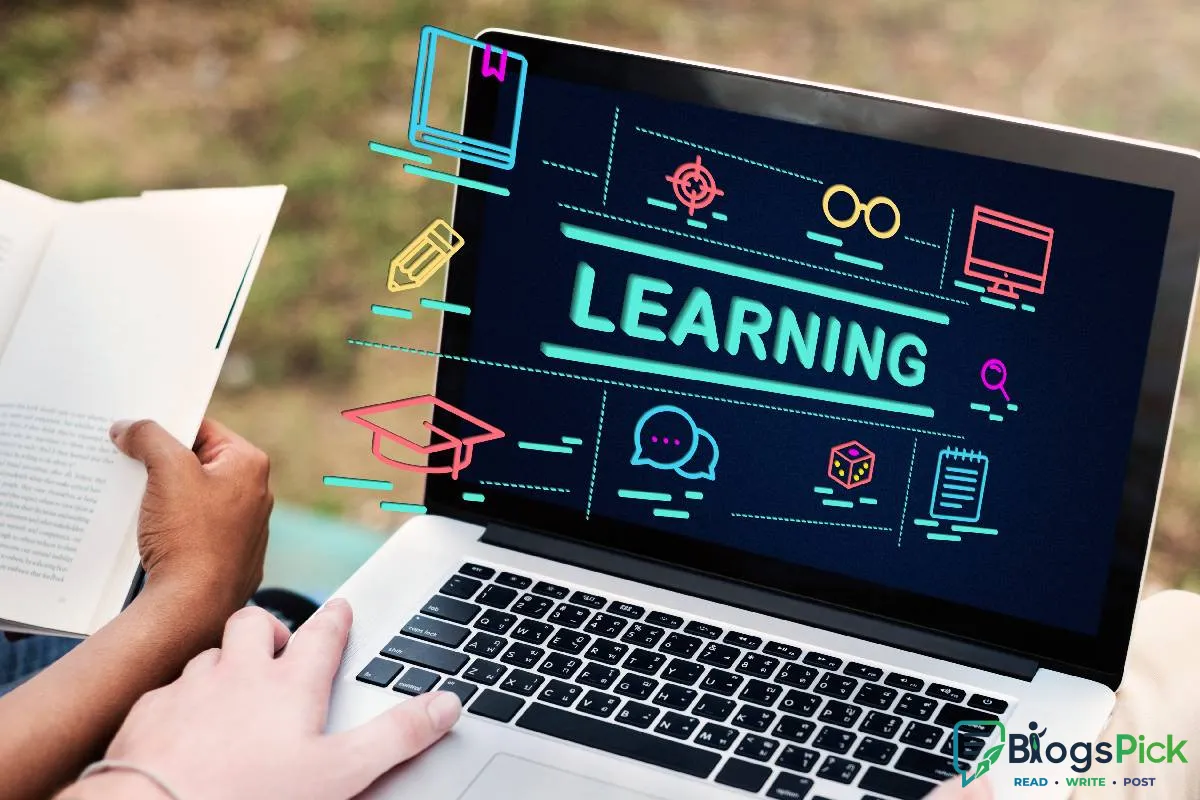
Traditional teaching methods often rely heavily on textbooks and lectures. Technology makes learning more interactive through videos, animations, simulations, quizzes, and educational applications. These tools can help students understand complex concepts in a more visual and engaging way.
3. Personalized Learning
Every student learns differently. Technology allows learning platforms to provide personalized content based on a student's progress, strengths, and weaknesses. Students can spend more time practicing areas where they need improvement instead of following exactly the same learning pace as everyone else.
4. Access to Global Knowledge
The internet has opened the door to an enormous amount of educational information. Students can learn from universities, teachers, experts, and educational organizations around the world. Online courses and digital resources also allow learners to explore subjects that may not be available in their local schools or colleges.
5. Artificial Intelligence in Education
Artificial intelligence is becoming an important part of modern education. AI-powered tools can help students understand concepts, generate practice questions, receive feedback, and organize their learning. When used responsibly, AI can work as a learning assistant rather than simply providing answers.
6. Better Communication Between Teachers and Students
Technology has also improved communication. Learning management systems, video conferencing, messaging platforms, and digital assignments allow teachers and students to stay connected beyond the traditional classroom.
7. Developing Future-Ready Skills
Modern workplaces require more than academic knowledge. Students also need digital literacy, communication, problem-solving, creativity, and adaptability. Using technology during education gives students opportunities to develop many of these skills before entering the professional world.
Challenges of Technology in Education
Although technology offers many benefits, it also comes with challenges. Excessive screen time, distractions, unequal access to devices and the internet, and dependence on digital tools can affect learning. Students therefore need guidance to use technology effectively and responsibly.
Conclusion
Technology is changing education by making learning more flexible, interactive, personalized, and accessible. However, technology should complement teachers and traditional learning methods rather than completely replace them. The best educational approach combines technology with effective teaching, practical experience, and human interaction.
The future of education is not simply about using more technology—it is about using the right technology to help students learn better.














Leave a Reply