
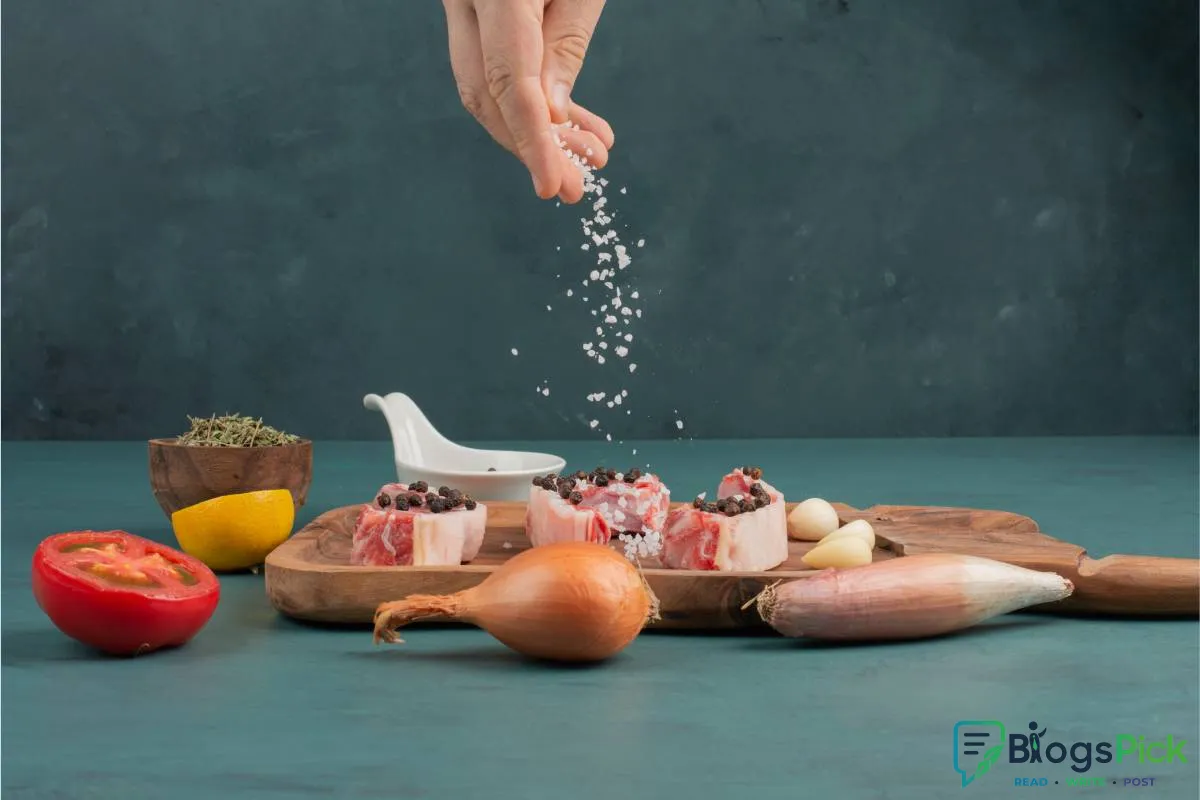
What to do when you oversalt your food
What to Do When You Oversalt Your Food
Adding too much salt to a dish is a common kitchen mistake, even for experienced cooks. Whether it's a soup, curry, sauce, or stew, an overly salty meal doesn't always have to end up in the trash. With a few simple techniques, you can often balance the flavors and save your dish.
Why Too Much Salt Is a Problem
Salt enhances flavor, but too much of it can overpower every other ingredient. Besides affecting taste, excessive sodium intake may contribute to high blood pressure and increase the risk of heart disease and kidney problems when consumed regularly. Learning how to correct an oversalted dish can help reduce food waste while promoting healthier eating habits.
1. Dilute the Dish
The easiest way to reduce saltiness is by increasing the quantity of the dish.
You can add:
-
Water or unsalted broth
-
Extra vegetables
-
Cooked rice or pasta
-
Beans or lentils
-
Tomatoes or tomato puree
This spreads the salt across a larger volume, making the dish taste more balanced.
2. Add More of the Main Ingredients
If you're making a curry, soup, or stir-fry, add more of the primary ingredients without adding extra salt.
For example:
-
More vegetables
-
Additional meat or chicken
-
Extra beans
-
More potatoes
-
Extra noodles or pasta
This helps absorb the excess seasoning while preserving the original flavor.
3. Balance with Acid
A small amount of acid can help brighten flavors and reduce the perception of saltiness.
Try adding:
-
Lemon juice
-
Lime juice
-
Vinegar
-
Tomatoes
Add gradually, tasting as you go to avoid making the dish too sour.
4. Add Dairy
Creamy ingredients can mellow strong salty flavors.
Suitable options include:
-
Fresh cream
-
Milk
-
Yogurt
-
Coconut milk
-
Unsalted butter
These work particularly well in soups, curries, and pasta sauces.
5. Add a Touch of Sweetness
A small amount of sweetness can help balance excess salt.
You can use:
-
A pinch of sugar
-
Honey
-
Maple syrup
-
Grated carrots
Use this method carefully—your goal is to balance the flavor, not make the dish sweet.
6. Serve with Unsalted Side Dishes
Instead of changing the dish itself, pair it with foods that contain little or no salt.
Examples include:
-
Plain rice
-
Unsalted mashed potatoes
-
Fresh bread
-
Plain pasta
-
Steamed vegetables
These help offset the saltiness in each bite.
7. Make a Second Batch
If you've heavily oversalted a dish, prepare another batch without any salt and combine the two. This is especially effective for soups, sauces, and curries.
Kitchen Myths to Avoid
Many people believe that adding a raw potato will magically remove excess salt. While potatoes can absorb some liquid and a small amount of salt, they won't completely fix an oversalted dish. Diluting the recipe and balancing flavors usually produces much better results.
Tips to Prevent Oversalting
-
Add salt gradually instead of all at once.
-
Taste your food throughout the cooking process.
-
Remember that ingredients like soy sauce, cheese, stock cubes, and canned foods already contain sodium.
-
Use measuring spoons instead of estimating.
-
Wait until the end of cooking before making final seasoning adjustments.
Final Thoughts
Oversalting your food doesn't mean your meal is ruined. By diluting the dish, adding more ingredients, balancing flavors with acid or dairy, and serving it with unsalted sides, you can often rescue your recipe and enjoy a delicious meal.
Cooking is all about learning from experience. Even the best chefs occasionally add too much salt. The key is knowing how to fix it and using the opportunity to improve your cooking skills. With a little patience and creativity, your dish can still turn out flavorful, balanced, and enjoyable.














Leave a Reply