
Stop Wasting Food with These 5 Simple Tips
Stop Wasting Food with These 5 Simple Tips
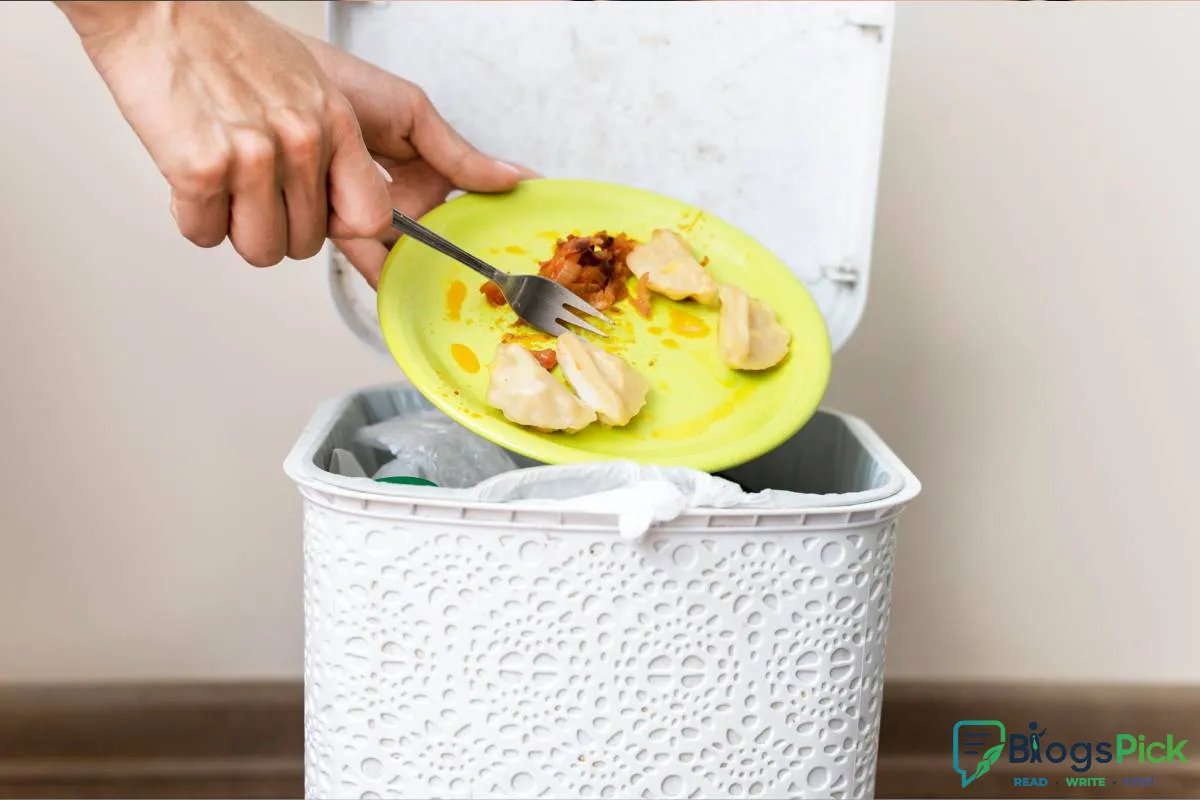
Food waste is a growing problem that affects your wallet and the environment. Every year, tons of perfectly edible food end up in the trash due to poor planning, improper storage, or simply forgetting what's in the fridge. The good news is that reducing food waste doesn't require major lifestyle changes. With a few smart habits, you can save money, reduce waste, and make the most of every meal.
1. Plan Your Meals Before Shopping
One of the biggest causes of food waste is buying more than you need. Before heading to the grocery store, plan your meals for the week and create a shopping list. Check your pantry and refrigerator first to avoid purchasing items you already have.
Tip: Stick to your shopping list to avoid impulse buys that may go unused.
2. Store Food Properly
Proper storage helps fruits, vegetables, dairy products, and leftovers stay fresh longer. Learn which foods belong in the refrigerator, freezer, or pantry, and use airtight containers to maintain freshness.
Examples:
- Store leafy greens in a container lined with paper towels.
- Keep potatoes and onions in a cool, dark place—but separately.
- Freeze bread if you won't use it within a few days.
3. Use the "First In, First Out" Rule
Place older food items at the front of your refrigerator or pantry and newer purchases behind them. This simple habit ensures older ingredients get used first before they spoil.
Tip: Label leftovers with the date so you know when they should be eaten.
4. Get Creative with Leftovers
Instead of throwing away extra food, turn leftovers into new meals.
Ideas include:
- Roast vegetables can be added to soups or wraps.
- Leftover rice makes excellent fried rice.
- Stale bread can become croutons or breadcrumbs.
- Overripe bananas are perfect for smoothies or banana bread.
A little creativity can turn yesterday's meal into today's favorite dish.
5. Understand Expiration Labels
Many people throw away food simply because they misunderstand date labels.
- Best Before: Indicates peak quality, not safety.
- Use By: Refers to food safety and should be followed carefully.
- Sell By: Intended for retailers and doesn't necessarily mean the food has gone bad.
Always check the appearance, smell, and texture of food before deciding to discard it.
Benefits of Reducing Food Waste
Reducing food waste offers several advantages:
- Saves money on groceries.
- Reduces household waste.
- Helps conserve natural resources.
- Lowers greenhouse gas emissions.
- Encourages mindful eating and shopping habits.
Final Thoughts
Reducing food waste starts with small, consistent actions. By planning meals, storing food correctly, using older ingredients first, reinventing leftovers, and understanding food labels, you can make a meaningful impact on both your budget and the environment. Every meal you save from the trash is a step toward a more sustainable future.

Next Post
What to do when you oversalt your food














Leave a Reply