

Healthy Food, Happy Life: Simple Eating Habits for Better Health
Healthy Food, Happy Life: Simple Eating Habits for Better Health
The food we eat plays a major role in our overall health and well-being. Healthy eating is not about strict diets or giving up your favorite foods. Instead, it’s about making smart food choices that provide your body with the nutrients it needs to stay energized, strong, and healthy. By adopting simple eating habits, you can improve your physical health, boost your mood, and enjoy a happier life.
Why Healthy Eating Matters
A balanced diet provides essential nutrients such as vitamins, minerals, proteins, carbohydrates, and healthy fats. These nutrients help your body function properly, support your immune system, and reduce the risk of chronic diseases such as obesity, diabetes, and heart disease.
Benefits of healthy eating include:
- Increased energy levels
- Better concentration and mental clarity
- Stronger immune system
- Healthy weight management
- Improved mood and emotional well-being
- Reduced risk of chronic illnesses
Simple Eating Habits for Better Health
1. Start Your Day with a Healthy Breakfast
Breakfast is often called the most important meal of the day. A nutritious breakfast helps kick-start your metabolism and provides energy for daily activities.
Healthy breakfast options include:
- Oatmeal with fruits
- Whole-grain toast with eggs
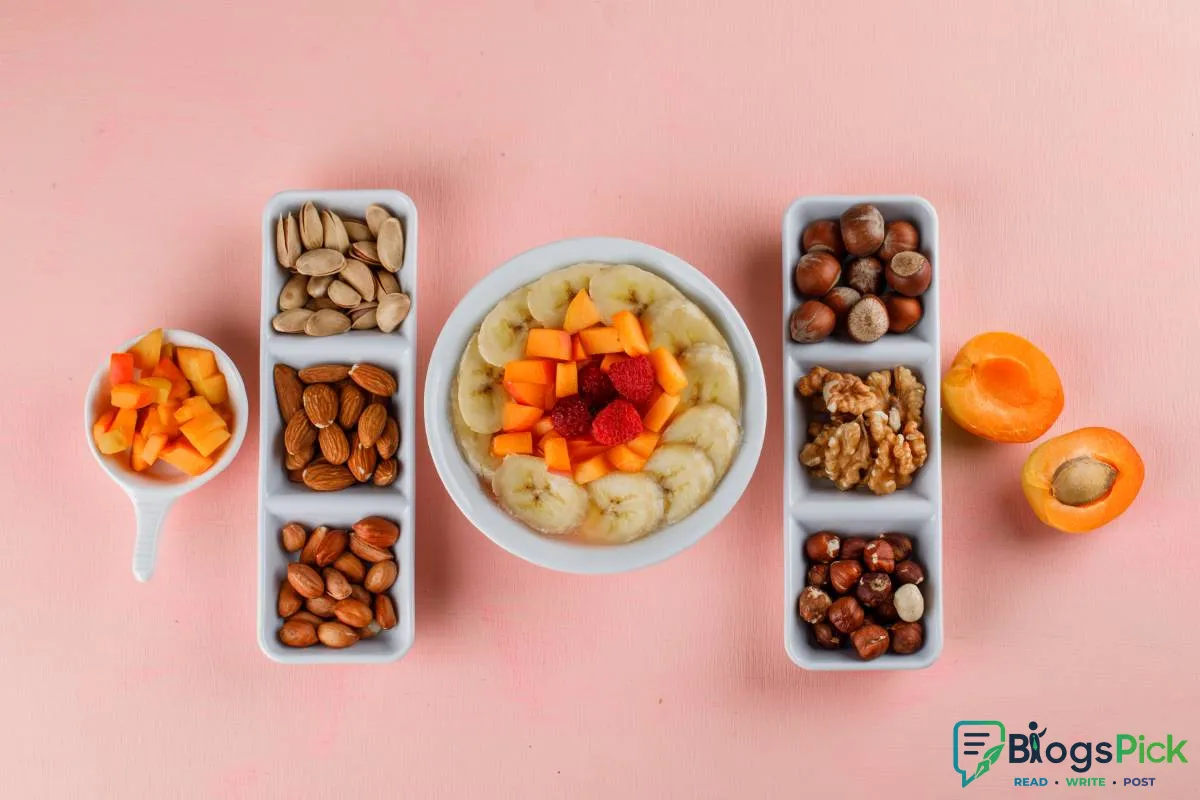
- Yogurt with nuts and berries
- Smoothies made with fresh fruits
2. Eat More Fruits and Vegetables
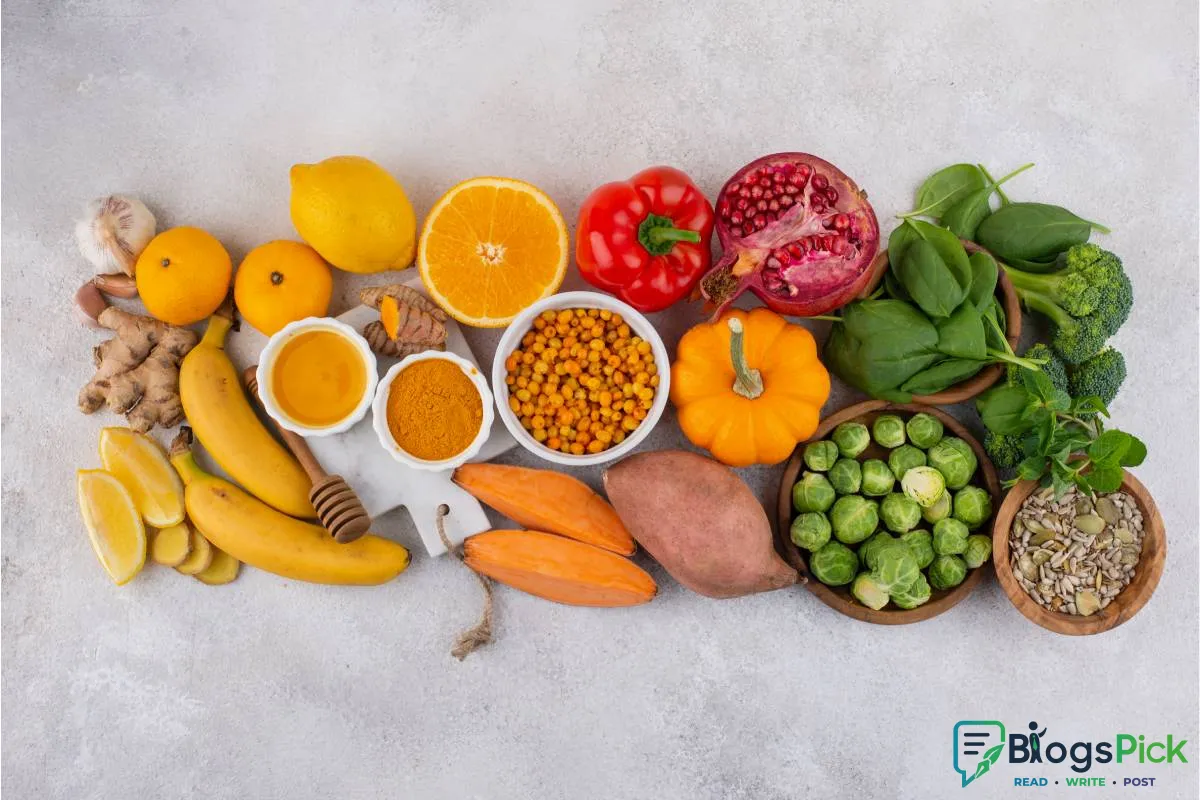
Fruits and vegetables are packed with vitamins, minerals, and antioxidants. Aim to fill half your plate with colorful fruits and vegetables during meals.
Benefits:
- Supports digestion
- Strengthens immunity
- Helps maintain healthy skin
- Reduces disease risk
3. Stay Hydrated
Water is essential for every function in the body. Drinking enough water helps maintain energy levels, improves digestion, and supports healthy skin.
Tips:
- Carry a water bottle with you
- Drink water before meals
- Replace sugary drinks with water whenever possible
4. Choose Whole Foods Over Processed Foods
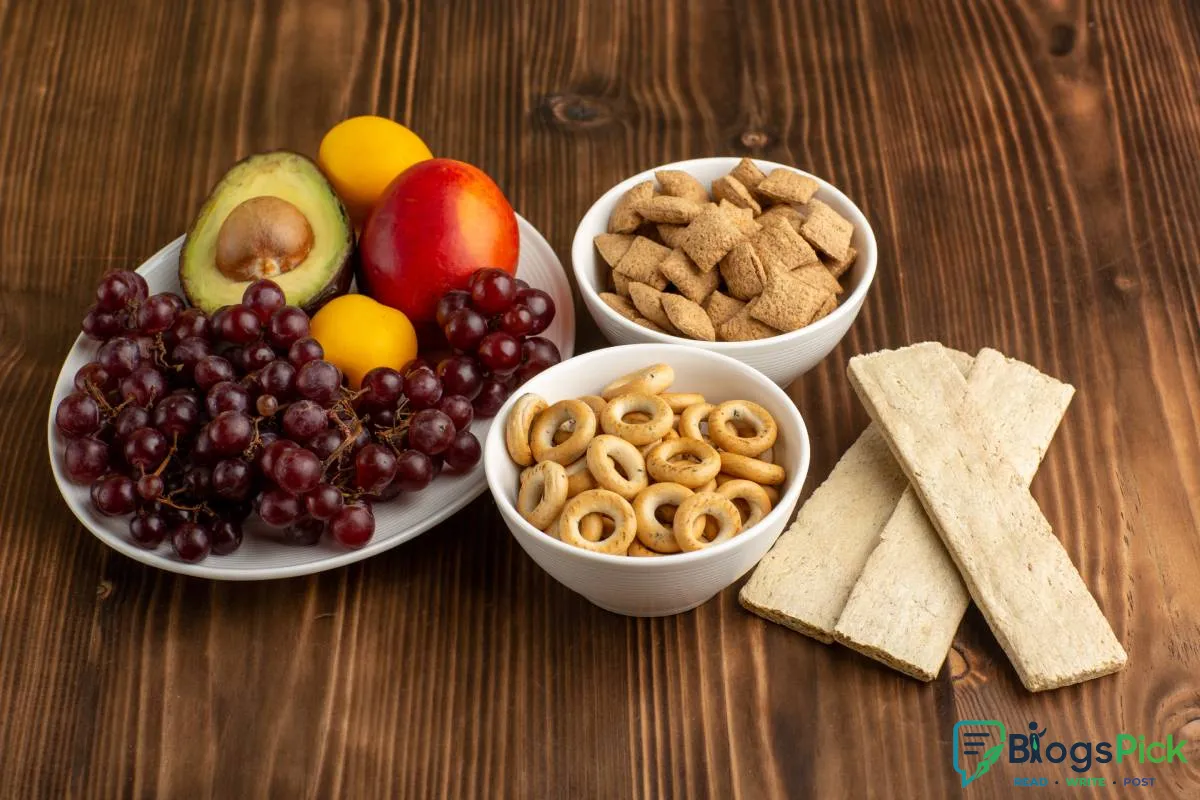
Whole foods are foods that are minimally processed and retain their natural nutrients. Examples include fruits, vegetables, whole grains, lean proteins, and nuts.
Avoid excessive consumption of:
- Packaged snacks
- Sugary beverages
- Fast food
- Highly processed meals
5. Control Portion Sizes
Even healthy foods should be eaten in appropriate amounts. Overeating can lead to weight gain and digestive issues.
Simple ways to manage portions:
- Use smaller plates
- Eat slowly
- Listen to your body's hunger signals
- Avoid eating while distracted
6. Include Protein in Every Meal
Protein helps build and repair tissues while keeping you feeling full longer.
Healthy protein sources:
- Eggs
- Fish
- Chicken
- Lentils
- Beans
- Nuts and seeds
7. Limit Sugar and Salt Intake
Excessive sugar and salt consumption can contribute to various health problems, including obesity, high blood pressure, and diabetes.
Try:
- Choosing fresh foods over packaged foods
- Reading nutrition labels
- Using herbs and spices for flavor
Healthy Eating Tips for Busy People
Many people struggle to eat healthy due to busy schedules. Here are some practical solutions:
- Plan meals in advance
- Prepare healthy snacks
- Cook larger portions and store leftovers
- Keep fruits readily available
- Avoid skipping meals
The Connection Between Food and Happiness
Healthy eating doesn't just benefit your body—it also supports your mental health. Nutrient-rich foods can improve mood, reduce stress, and enhance overall well-being. When your body receives proper nutrition, you feel more energetic, productive, and positive.
Conclusion
Healthy eating is a lifelong journey that starts with small, consistent changes. By choosing nutritious foods, staying hydrated, and practicing mindful eating, you can improve your health and enjoy a happier, more fulfilling life. Remember, you don't need a perfect diet—just better habits that support your overall well-being.















Leave a Reply