
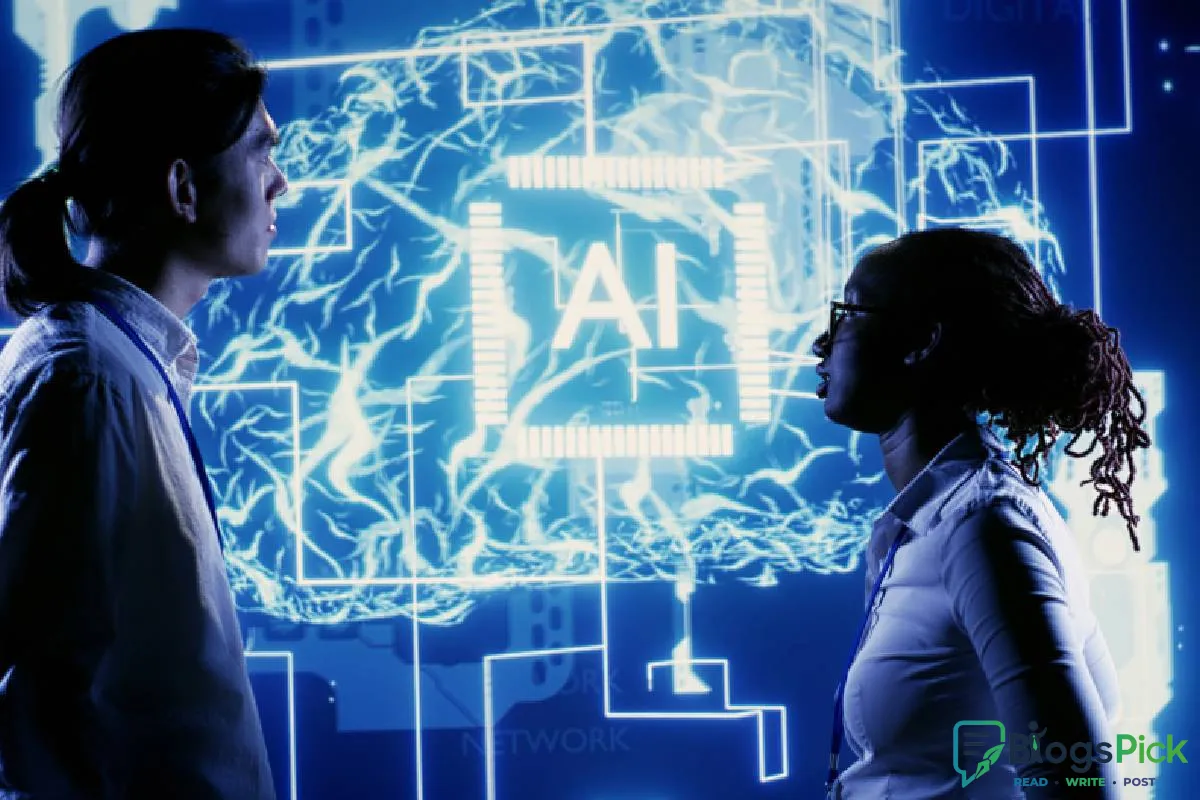
How AI is changing the way we work
How AI Is Changing the Way We Work
Artificial Intelligence (AI) is no longer a futuristic concept—it has become an essential part of our daily work. From automating repetitive tasks to helping businesses make smarter decisions, AI is transforming industries across the globe. Whether you're an employee, business owner, student, or freelancer, understanding how AI is changing the workplace is crucial for staying competitive in today's digital world.
What Is Artificial Intelligence?
Artificial Intelligence refers to computer systems that can perform tasks that typically require human intelligence. These tasks include learning, problem-solving, decision-making, language understanding, and image recognition. Popular AI tools like ChatGPT, Microsoft Copilot, Google Gemini, and AI-powered business software are helping people work more efficiently than ever before.
The Impact of AI on Modern Workplaces
1. Automating Repetitive Tasks
One of AI's biggest advantages is automation. Routine tasks such as data entry, scheduling meetings, sorting emails, generating reports, and invoice processing can now be handled by AI-powered software. This saves time and allows employees to focus on higher-value work.
Example: Customer support chatbots can answer common customer questions 24/7 without human intervention.
2. Increasing Productivity
AI tools help professionals complete tasks faster by generating content, writing emails, summarizing documents, creating presentations, and analyzing large amounts of data within seconds.
Benefits include:
- Faster decision-making
- Reduced manual effort
- Better time management
- Improved workflow efficiency
3. Smarter Decision-Making
Businesses generate enormous amounts of data every day. AI analyzes this data to identify trends, predict future outcomes, and provide valuable insights that help managers make informed decisions.
For example:
- Sales forecasting
- Inventory management
- Customer behavior analysis
- Financial planning
4. Transforming Customer Service
AI-powered chatbots and virtual assistants provide instant responses to customer queries, reducing wait times and improving customer satisfaction.
Advantages:
- 24/7 customer support
- Faster response times
- Personalized recommendations
- Lower operational costs
5. Revolutionizing Recruitment
Human Resource departments are increasingly using AI to screen resumes, schedule interviews, and identify suitable candidates.
AI helps recruiters:
- Save hiring time
- Reduce manual screening
- Match candidates based on skills
- Improve recruitment accuracy
6. Enhancing Creativity
Contrary to popular belief, AI doesn't replace creativity—it enhances it. Designers, writers, marketers, and video editors use AI tools to generate ideas, create content, edit images, and automate repetitive creative tasks.
Examples include:
- Blog writing
- Graphic design
- Video editing
- Social media content creation
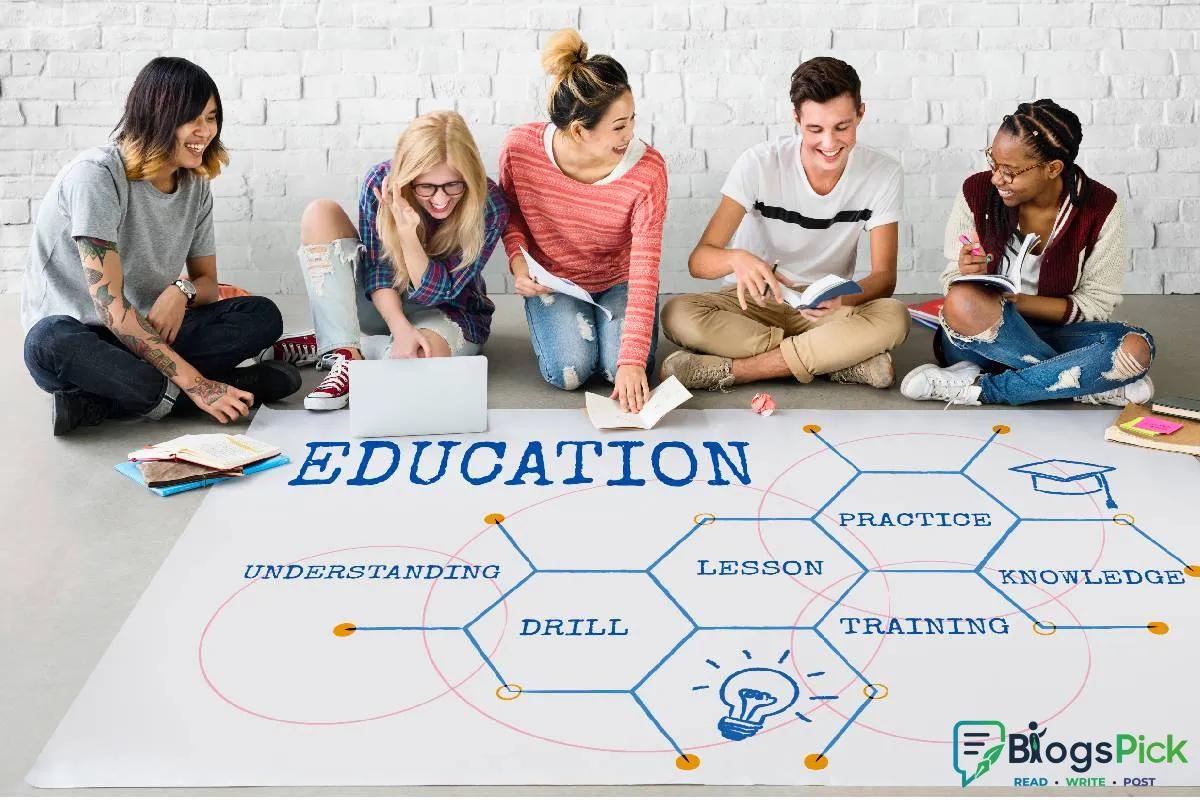
7. Personalized Learning and Employee Training
Companies use AI-powered learning platforms that recommend personalized courses based on employee skills and career goals. This helps workers continuously improve and stay updated with industry trends.
Industries Being Transformed by AI
AI is making a significant impact across multiple industries, including:
- Healthcare: Disease diagnosis, medical imaging, patient monitoring
- Finance: Fraud detection, automated trading, credit analysis
- Education: Personalized learning, AI tutors, automated grading
- Manufacturing: Predictive maintenance, quality control, robotics
- Retail: Product recommendations, inventory optimization, customer analytics
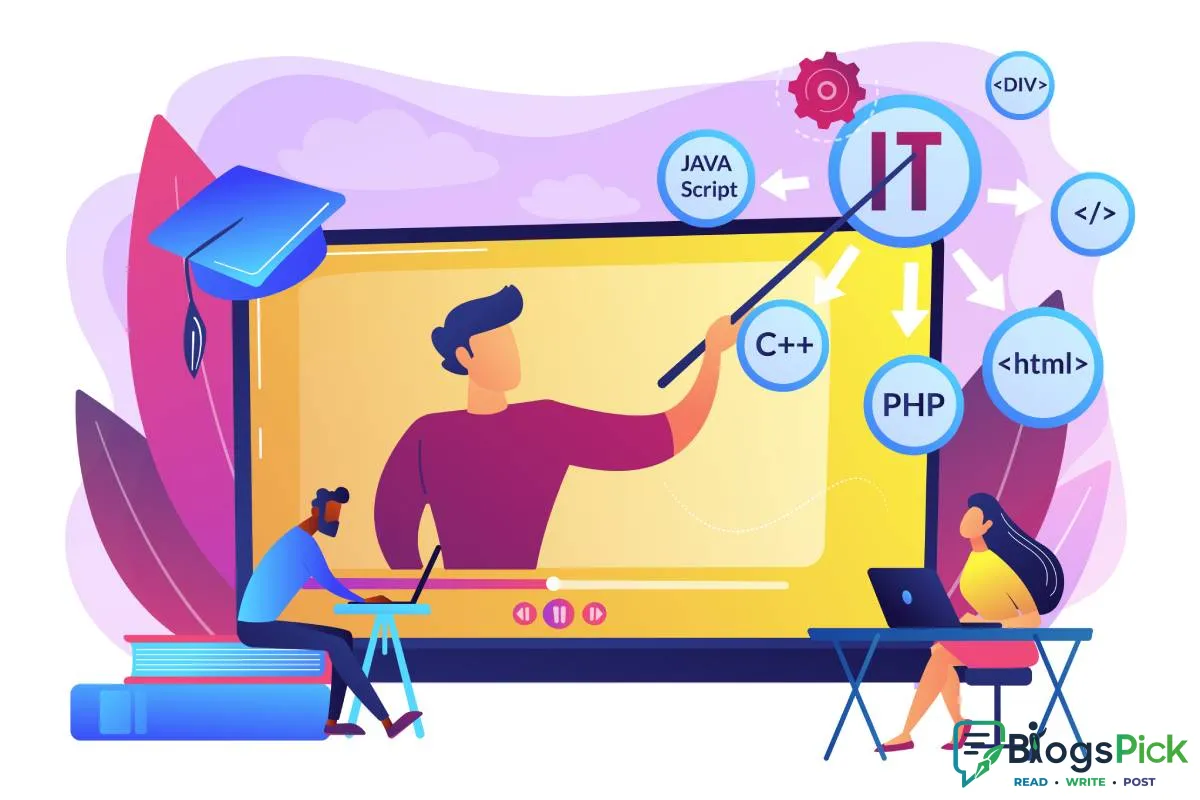
- IT & Software Development: AI coding assistants, bug detection, automated testing
Skills Needed in the AI Era
As AI becomes more common, professionals should focus on developing skills that complement technology rather than compete with it.
Important skills include:
- Critical thinking
- Problem-solving
- Creativity
- Communication
- Emotional intelligence
- Digital literacy
- Data analysis
- AI tool proficiency
How Businesses Can Prepare
Organizations can maximize AI's benefits by:
- Training employees to use AI tools responsibly.
- Automating repetitive processes while keeping humans involved in important decisions.
- Protecting customer data with strong security practices.
- Encouraging continuous learning and upskilling.
- Using AI ethically and transparently.
Conclusion
Artificial Intelligence is reshaping the way we work by improving efficiency, enhancing productivity, and enabling smarter decision-making. Rather than viewing AI as a threat, professionals and businesses should embrace it as a powerful tool that complements human skills. Those who learn to work alongside AI will be better prepared for the future of work.
As AI technology continues to evolve, adaptability, continuous learning, and responsible use of AI will become the key ingredients for long-term success in every industry.

Next Post
Easy habits for a healthy heart











Leave a Reply