
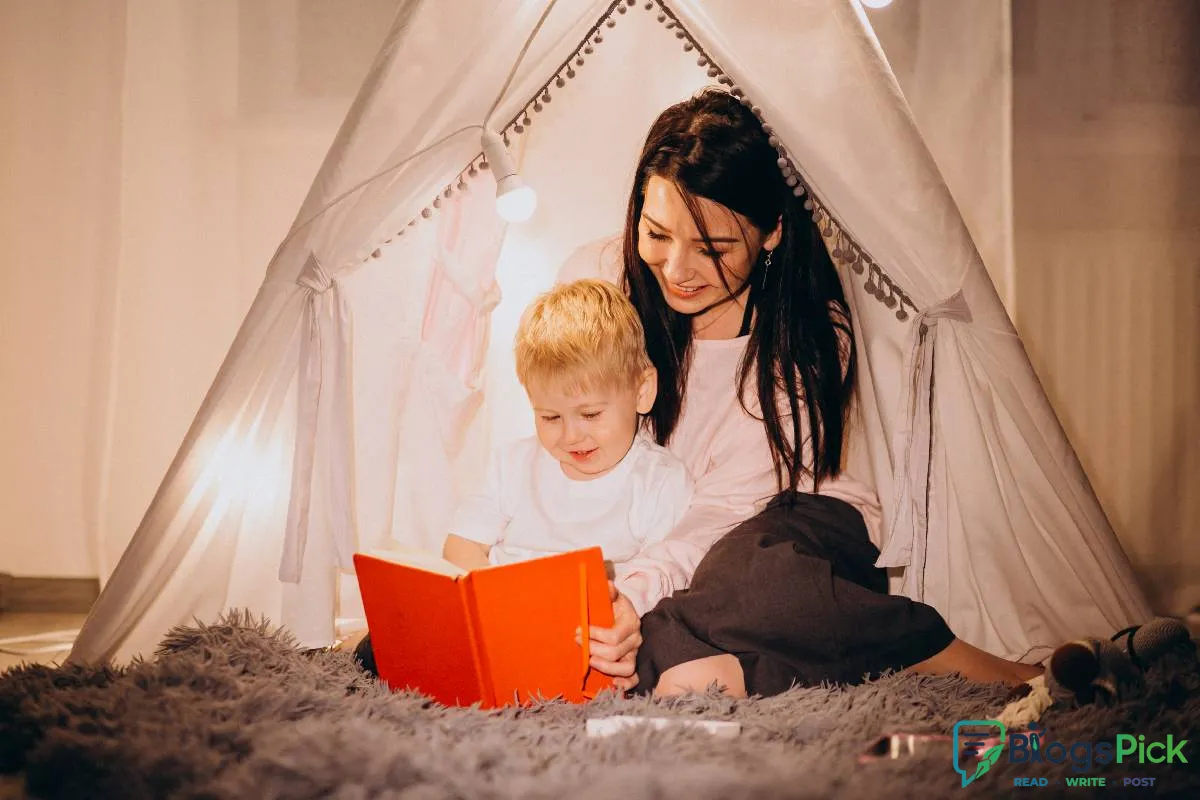
How to help your kids love reading
How to Help Your Kids Love Reading
In today’s digital world, getting kids interested in books can sometimes feel difficult. With mobile phones, games, and endless videos competing for attention, many parents worry that their children are losing interest in reading. But the good news is that reading habits can be developed naturally with the right environment, encouragement, and consistency.
Reading is not just about improving language skills. It builds imagination, creativity, confidence, concentration, and emotional intelligence. Children who enjoy reading often perform better academically and communicate more effectively in everyday life.
Why Reading Matters for Children
Books open the door to knowledge and creativity. Reading regularly helps children:
- Improve vocabulary and communication skills
- Develop critical thinking abilities
- Increase concentration and patience
- Boost imagination and creativity
- Build confidence and emotional understanding
- Perform better in school subjects
When children start loving books early, learning becomes enjoyable instead of stressful.
Simple Ways to Encourage Reading Habits
1. Start Early
Introduce books to your children from a young age. Picture books, bedtime stories, and colorful illustrations can create curiosity and excitement. Even toddlers enjoy listening to stories and looking at images.
2. Make Reading Fun
Reading should never feel like a punishment or forced activity. Choose books based on your child’s interests such as cartoons, animals, superheroes, science, sports, or adventure stories.
The more enjoyable the content is, the more likely children are to continue reading.
3. Create a Reading Routine
Set aside a fixed reading time every day. Bedtime is often the best moment because it creates a calm and positive habit.
Even 15–20 minutes of daily reading can make a big difference over time.
4. Be a Reading Role Model
Children learn by observing their parents. If they see you reading books, newspapers, or magazines regularly, they naturally become curious about reading too.
A child is more likely to read when reading becomes part of the family culture.
5. Build a Reading-Friendly Environment
Keep books easily accessible at home. Create a small reading corner with comfortable seating and good lighting. When books are around children, they are more likely to pick them up.
6. Visit Libraries and Bookstores
Trips to libraries or bookstores can make reading exciting. Allow your child to choose their own books. Giving them freedom to select stories increases their interest and involvement.
7. Limit Screen Time
Too much screen time can reduce interest in books. Set healthy boundaries for TV, gaming, and mobile usage while encouraging alternative activities like reading.
Balance is important—not complete restriction.
8. Read Together
Reading together strengthens bonding between parents and children. Ask questions during the story, discuss characters, and encourage children to predict what happens next.
Interactive reading makes books more engaging and memorable.
9. Praise Their Efforts
Celebrate reading milestones, no matter how small. Appreciate your child when they finish a book or read consistently.
Positive encouragement motivates children to continue developing the habit.
10. Let Them Explore Different Formats
Not every child enjoys the same type of books. Some may prefer comics, graphic novels, audiobooks, or short stories. Allow them to explore different formats until they discover what they enjoy most.
Common Mistakes Parents Should Avoid
- Forcing children to read difficult books
- Comparing them with other kids
- Turning reading into pressure or punishment
- Ignoring their interests and preferences
- Expecting instant results
Reading habits grow gradually with patience and consistency.
Final Thoughts
Helping children love reading is one of the greatest gifts parents can give. Books not only improve academic performance but also shape personality, creativity, and confidence for life.
The goal is not to force children to read more books—it is to help them discover the joy of reading. Once reading becomes enjoyable, learning follows naturally.
Start small, stay patient, and create positive experiences around books. Over time, your child may not just read because they have to—but because they truly love it.
















Leave a Reply